
Bedroom Colour Ideas for Couples: Mood Effects
By the Kinky Beds teamPublished 5 min read
Quick answer
- Warm tones like reds and oranges can add energy and closeness.
- Cool blues and greens often promote calm and relaxation.
- Neutrals offer flexibility while dark shades create depth.
- Discuss choices together and test samples before committing.
Warm Colours for Energy and Passion
Warm shades such as soft reds, terracotta and warm oranges tend to create a lively feel. These can encourage a sense of closeness and vitality without overwhelming the space. Many couples find that muted versions work better than bright primaries, allowing the room to feel inviting rather than intense. Pairing these with neutral bedding helps balance the effect. Start by selecting a tester pot and painting a large A4-sized patch on each wall to see how the colour shifts with daylight and evening lamps. Consider the room's orientation: south-facing walls benefit from cooler versions of red to prevent overheating the visual temperature, while north-facing rooms gain warmth from deeper terracotta. Practical steps include matching the shade to existing wooden furniture tones and testing how it interacts with any metal accents on your bed frame. Over time, these colours can support a dynamic yet comfortable environment where both partners feel energised after a long day.
Cool Colours for Calm and Relaxation
Blues, soft greens and gentle greys often bring a soothing quality. These tones are popular when partners want a restful environment that supports unwinding at the end of the day. A pale blue wall can make the room feel larger and airier, while deeper teal accents add interest without disrupting the peaceful mood. Consider how natural light changes the appearance throughout the day. To apply this practically, measure the amount of natural light at different times and choose lighter cool shades for smaller rooms to avoid a chilly effect. Layer with white or off-white trim to keep the scheme fresh. Couples often find it helpful to discuss preferred sleep temperatures first, as cooler tones psychologically reinforce a lower perceived room temperature. This approach pairs well with simple routines like dimming lights earlier in the evening.
Neutral Tones for Versatility
Beige, soft grey and warm white provide a flexible base that adapts as preferences evolve. Neutrals make it easier to introduce different textures or accessories over time. They also work well with wooden furniture and allow restraint-friendly pieces to blend in discreetly. The Sovereign Bed in Alabaster White or Onyx Black fits neatly into neutral schemes. Begin by identifying your current furniture colours and selecting a neutral that sits two shades lighter or darker on a paint chart. Test large samples on multiple walls because north light can turn warm neutrals cooler. This foundation supports future changes, such as swapping cushions or adding new bedding without repainting. Many couples use this route when they want longevity from their colour choice.
Dark Shades for Intimacy and Depth
Deep charcoal, navy or forest green can create a cocoon-like atmosphere. These colours absorb light and can make a room feel more enclosed and private. Use them on one feature wall or in smaller doses to avoid making the space feel too closed in. Layer with lighter bedding and lighting to maintain balance. Practical planning involves checking the ceiling height first; lower ceilings suit only one dark wall to prevent a boxed-in sensation. Paint the skirting and architrave in a lighter tone to lift the scheme. Dark shades also hide minor marks better, which is useful in busy households. Combine with strategic lighting so the room does not feel oppressive at night.
Practical Tips for Choosing Together
Test paint samples on the wall for several days before deciding. Discuss what each person finds relaxing or energising. Think about existing furniture and how new colours will interact with it. The Kinky Bundle can be stored neatly whatever the colour scheme. For more ideas on overall design, see our guides. Create a shared mood board with magazine clippings or phone photos of rooms you both like. Visit a paint store together to hold physical swatches against your current bedding. Allow at least a week of living with the samples to notice morning versus evening effects.
Lighting and Colour Interaction
Colour looks different under various lighting conditions. Warm bulbs enhance reds and oranges while cool daylight bulbs bring out blues and greens. Layered lighting with dimmers gives more control over the final mood. Begin by mapping your existing sockets and deciding where to add floor lamps or wall sconces. Choose bulbs with adjustable colour temperature so the same fitting can support different activities throughout the evening. This step prevents the common issue of a colour looking perfect in the shop but flat at home.
Adding Texture and Accessories
Once the base colour is chosen, textures such as linen, wool or wood add depth. Soft rugs, curtains and cushions in complementary tones help the room feel complete. Keep storage solutions simple so the focus stays on the overall atmosphere. Introduce texture gradually: start with one new item per month to avoid visual clutter. Choose washable fabrics for items near the bed to maintain freshness.
Choosing Colours Based on Room Orientation
North-facing rooms often need warmer shades to counteract cooler natural light, while east-facing spaces benefit from colours that remain appealing in morning sunlight. Measure the room's aspect and note peak sunlight hours before final selection. This prevents disappointment after the paint has dried.
Seasonal Adjustments Without Repainting
Swap accessories seasonally rather than repainting. Lighter throws and curtains in summer can soften a warm base, while deeper cushions add cosiness in winter. Store off-season items in clearly labelled boxes to keep the scheme flexible.
Discreet bedroom design ideas and a bedroom makeover for couples offer further practical steps.
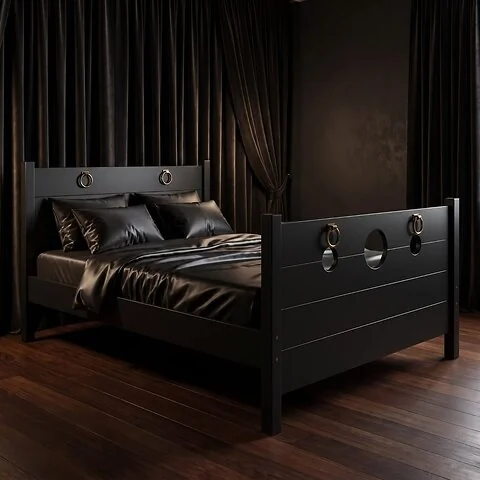
The Sovereign Bed
From £599.00 · Free UK delivery
- Restraint rings hidden behind interchangeable decorative panels that swap in under 60 seconds, no tools
- Solid hardwood frame with a 150kg load rating
- Double (4ft 6in) or King (5ft), for standard UK mattresses up to 30 cm deep
- Onyx Black or Alabaster White · plain, unmarked packaging · 14-day returns
Frequently asked questions
Which colours are best for a relaxing bedroom?
Cool tones such as soft blues and greens are often chosen for their calming qualities.
Can dark colours make a small bedroom feel smaller?
Yes, but using them on one wall or with plenty of light can prevent the space feeling cramped.
How do I involve my partner in colour decisions?
Look at samples together and discuss what each of you finds comfortable for rest and connection.
Do I need to repaint if I change the furniture?
Neutral walls usually adapt well to new pieces, so a full repaint is often unnecessary.
This guide is general information for adults, not medical or legal advice. If anything feels wrong during or after restraint play (lasting numbness, pain or anxiety), stop and seek medical advice. Questions about The Sovereign Bed: support@kinkybeds.com.