
Types of Sofa Explained: 12 Styles to Know
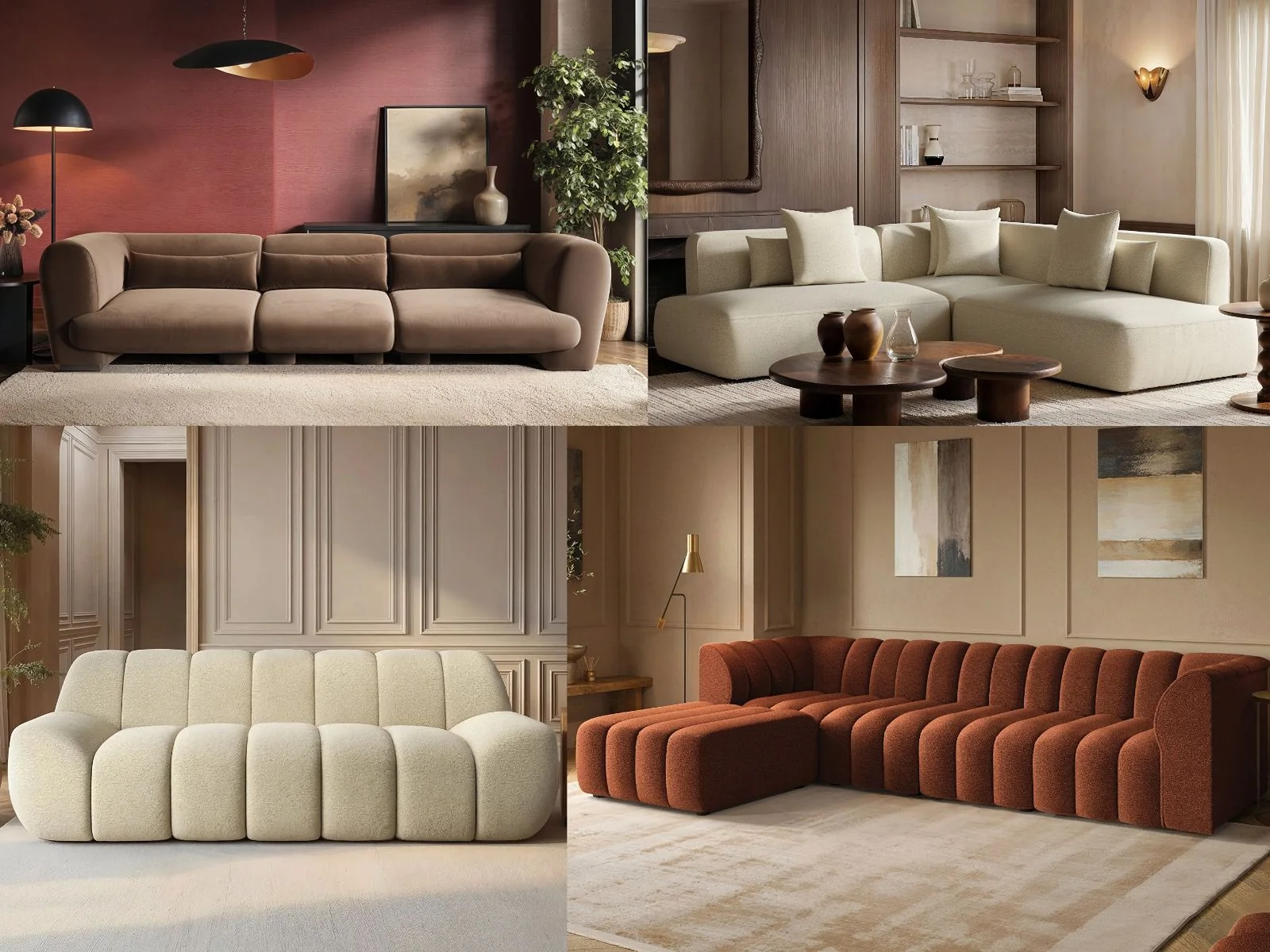
Choosing a sofa starts with understanding which style works best for your room and the way you use it. Some sofas prioritise compact dimensions, while others give you more space to stretch out, entertain guests or accommodate the whole family.
In this guide, we’ll explain the main types of sofas, including corner sofas, chaise sofas, modular designs, recliners and sofa beds, along with the practical pros and cons of each.
The main types of sofa include two-seater, three-seater, corner, chaise, modular, U-shaped, recliner and sofa bed designs. The best type of sofa depends on your room size, household, preferred seating position and how you use your living space. Measuring your room before choosing a style will help narrow down your options.
1. Two-Seater Sofas
A two-seater sofa is one of the most compact traditional sofa styles. It typically provides comfortable seating for one or two people without occupying as much floor space as a larger three-seater or corner sofa.
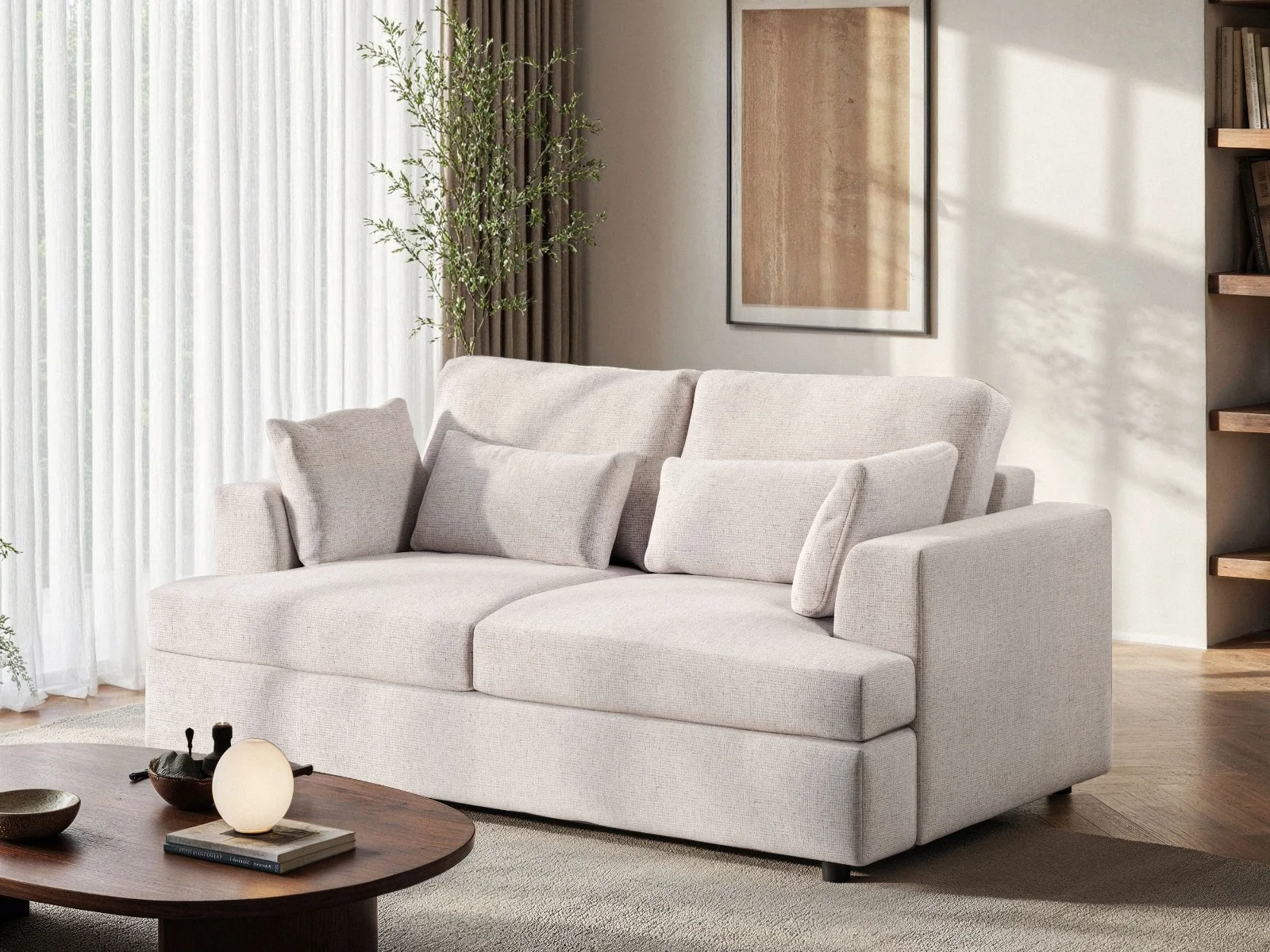
Who Is a Two-Seater Sofa Best For?
A two-seater can be a good choice for:
- Flats and smaller homes
- Compact living rooms
- Couples
- Bedrooms and home offices
- Creating a secondary seating area
- Pairing with another sofa or armchair
They’re particularly useful when you want proper sofa comfort without making a small room feel crowded.
2. Three-Seater Sofas
Three-seater sofas are a versatile choice for medium-sized living rooms and family spaces. They give you more room to stretch out than a two-seater while retaining a straightforward shape that’s relatively easy to position within most layouts.
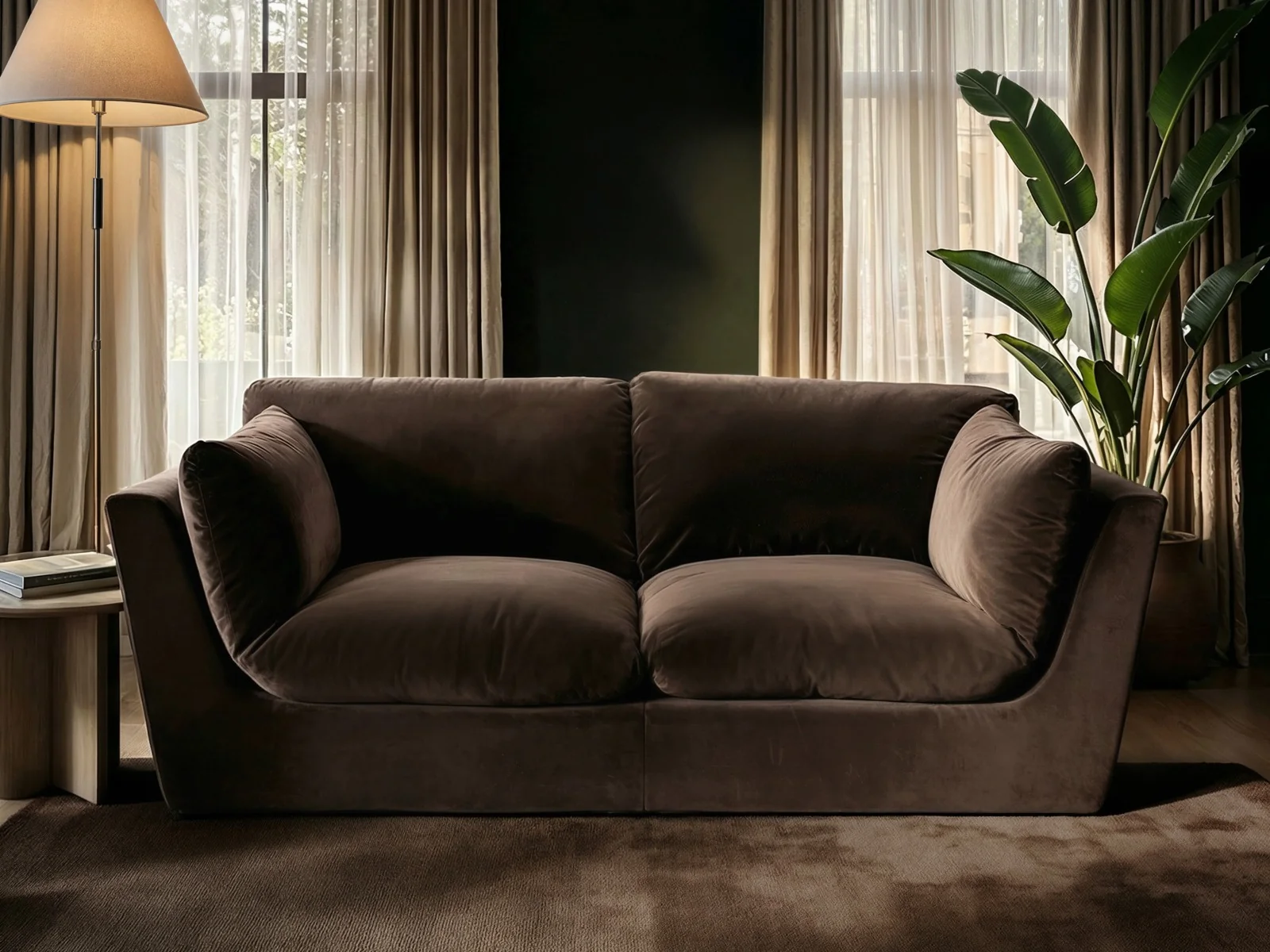
Who Is a Three-Seater Sofa Best For?
Consider one if you:
- Regularly need seating for two or three people
- Like lying across your sofa
- Have a medium-sized living room
- Prefer a traditional straight seating arrangement
- Want to combine your sofa with separate armchairs
A three-seater can also be easier to reposition than a large corner or sectional sofa if you enjoy changing your room layout.
3. Four-Seater and Large Sofas
Large straight sofas provide additional seating while maintaining the familiar shape of a conventional sofa. They can be a useful alternative to a corner sofa if your room is long or wide but doesn’t suit an L-shaped configuration.
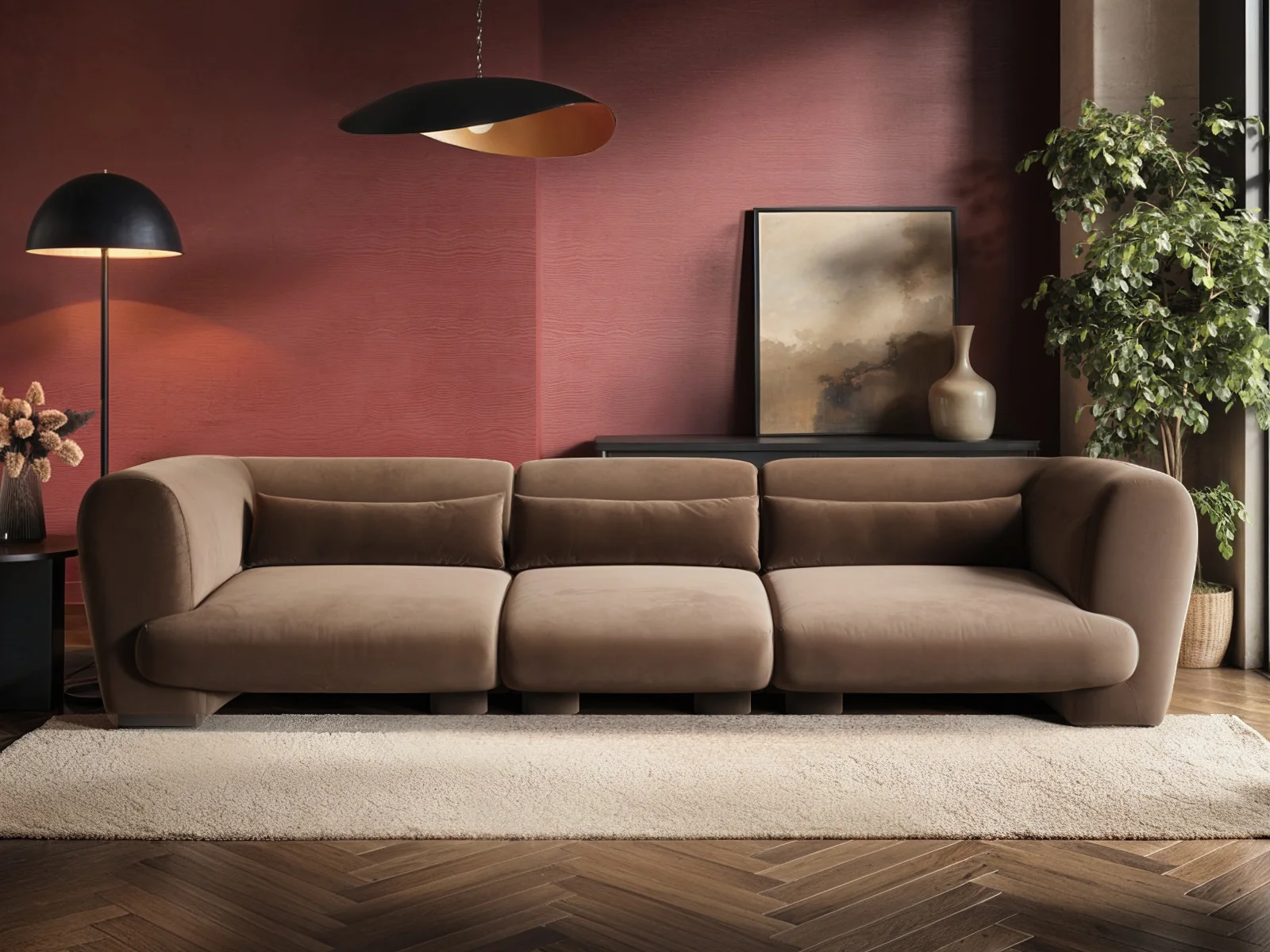
Advantages of a large sofa
A four-seater can:
- Seat larger households
- Give individuals more personal space
- Create a strong focal point
- Work well in wide living rooms
- Offer plenty of space for lounging
One four-seater may be considerably wider than another depending on its arms, cushion widths and overall design, so always check the exact dimensions.
Check our four-seater sofas here.
4. Corner Sofas
Corner sofas use an L-shaped configuration, usually combining a standard seating section with an extended return. They’re one of the most practical sofa types for families because they provide plenty of seating without requiring several separate pieces of furniture.
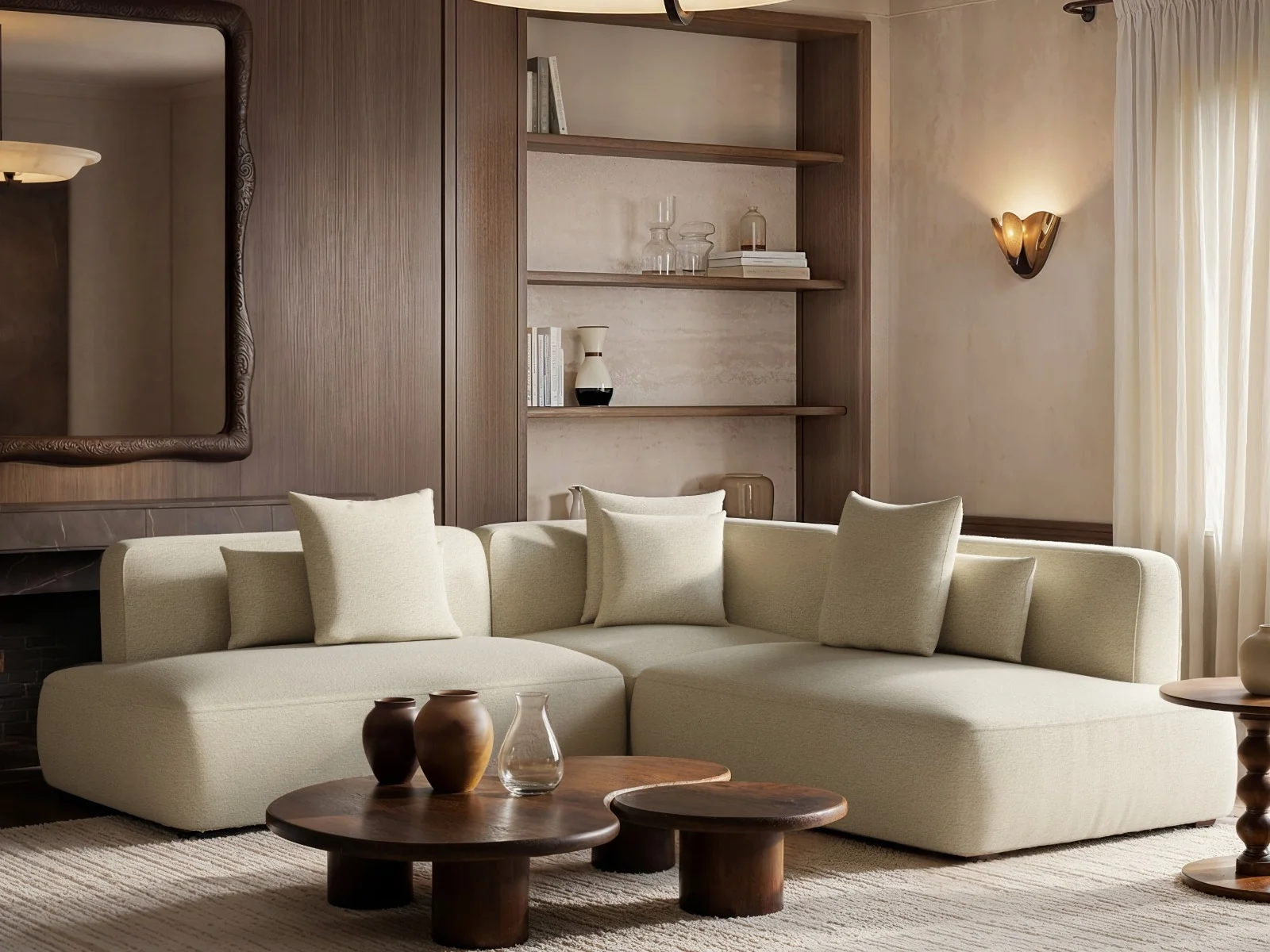
What Are the Benefits of a Corner Sofa?
Corner sofas can:
- Provide generous seating
- Make use of an unused room corner
- Create a sociable seating arrangement
- Help define areas in open-plan rooms
- Give you somewhere to stretch out
They can work particularly well in rooms where two separate sofas would interrupt the flow of the space.
You can explore our range of corner sofas to compare different shapes and sizes.
Left-hand vs right-hand corner sofas
One important detail is the orientation. The extended section may sit on the left or right when you’re facing the sofa. Some models are reversible, while others have a fixed configuration.
5. Chaise Sofas
A chaise sofa combines conventional seating with one extended seat designed for putting your feet up. It has some similarities to a corner sofa but often has a lighter and more streamlined appearance.
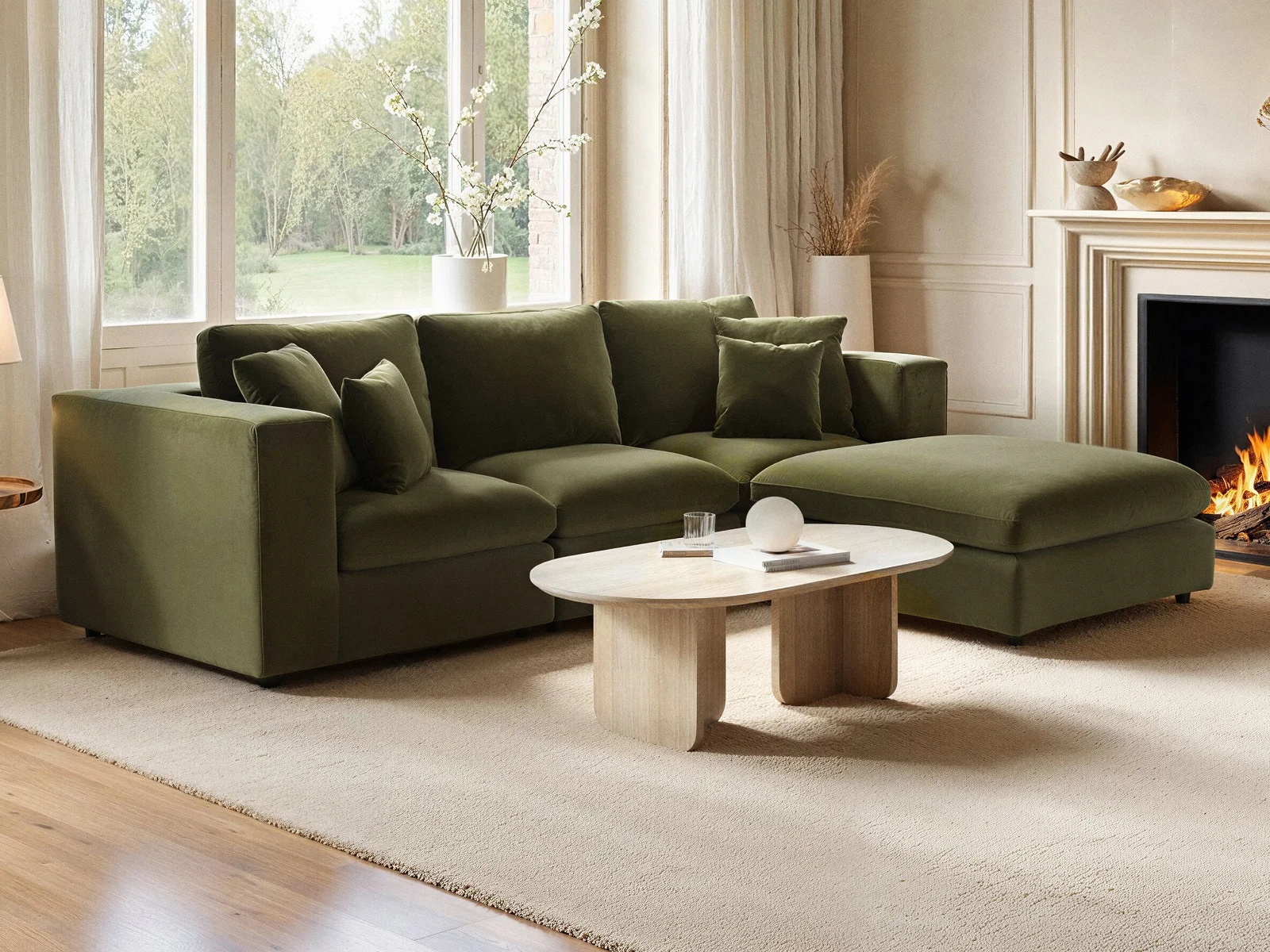
Why choose a chaise sofa?
A chaise sofa can be ideal when you:
- Like stretching out while watching TV
- Want more lounging space
- Don’t have room for a very large corner sofa
- Prefer an open-ended sofa design
- Want to visually divide an open-plan space
6. Modular Sofas
A modular sofa is built from individual sections that connect together.
Instead of buying one fixed sofa shape, you can combine modules to create a layout that works for your room.
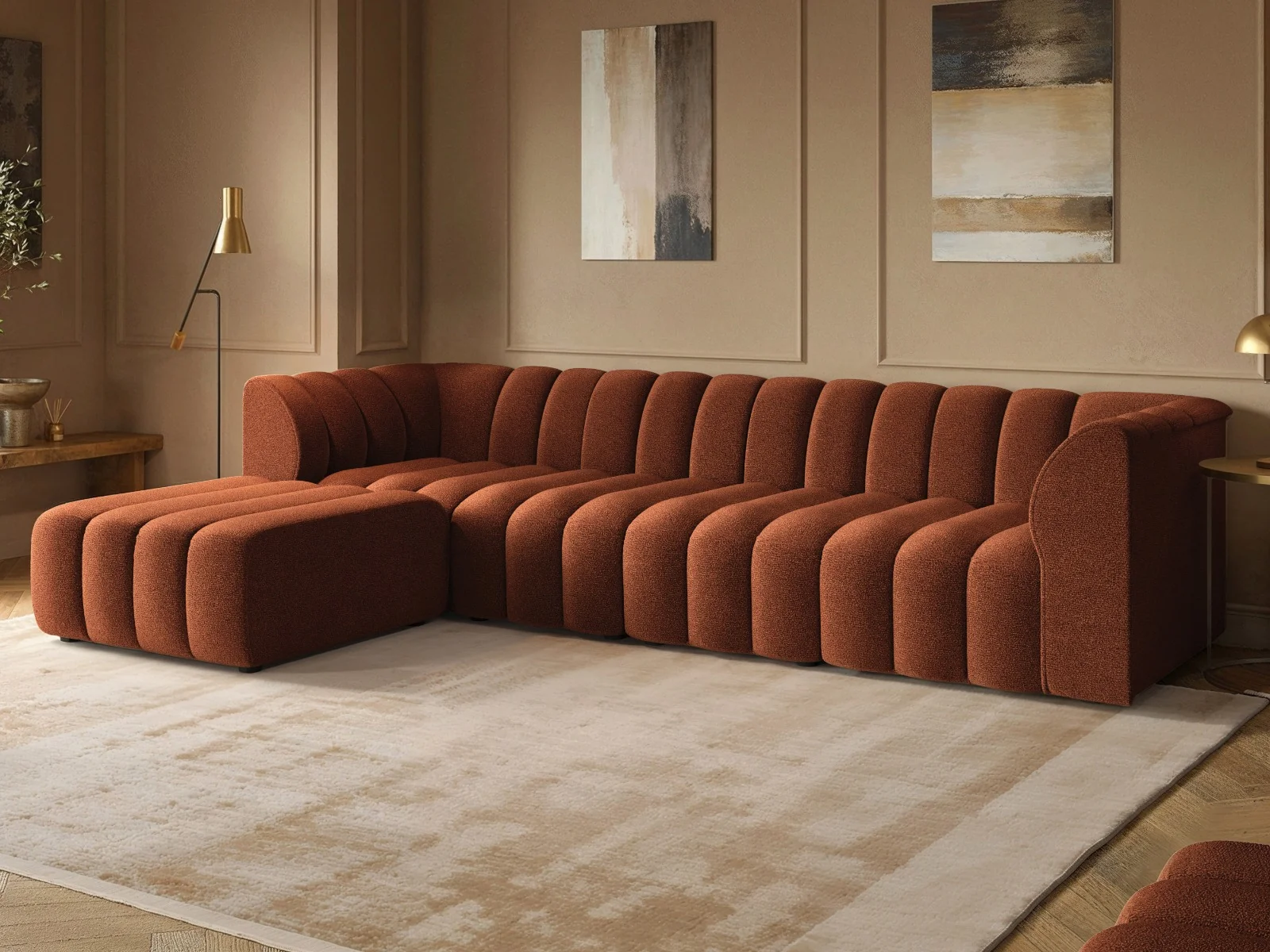
Depending on the range, this might include:
- Armless seats
- Corner sections
- Chaise units
- Footstools
- End sections
What are the benefits of a modular sofa?
The biggest advantage is flexibility. You may be able to expand or rearrange your sofa later if you move home, change your room layout or simply want a different seating arrangement.
Modular sofas work particularly well in:
- Large living rooms
- Open-plan spaces
- Awkward layouts
- Growing households
- Homes where flexibility matters
7. U-Shaped Sofas
U-shaped sofas extend on both sides, creating a large central seating area. They’re among the biggest types of sofa and work best in generous living rooms or open-plan spaces.
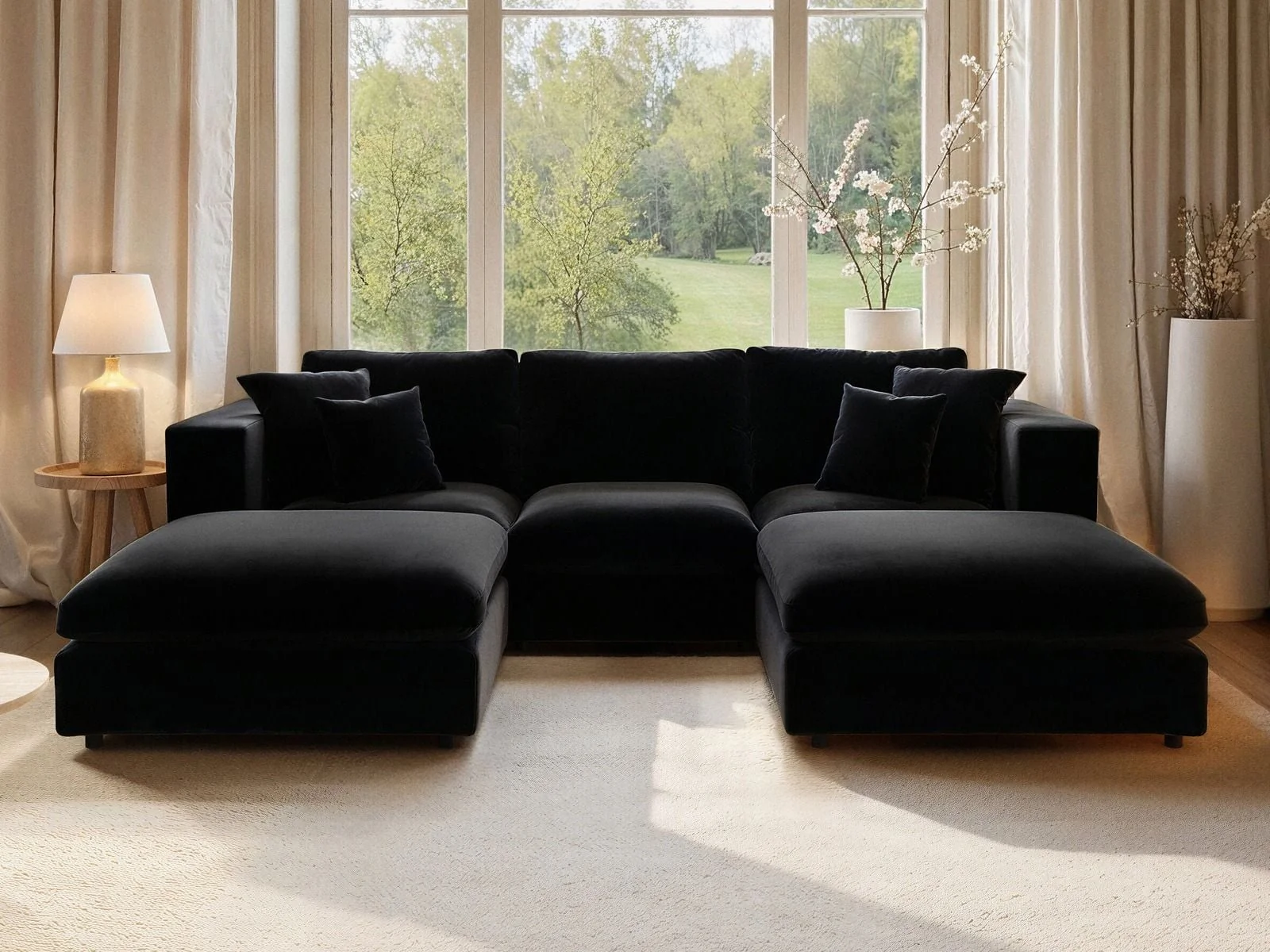
Who should choose a U-shaped sofa?
They’re particularly useful for:
- Large families
- Regular entertaining
- Film nights
- Open-plan living areas
- Households that want lots of lounging space
The main consideration is room size. A U-shaped sofa can dominate a smaller room, so leave enough space around it for people to walk comfortably.
8. Sofa Beds
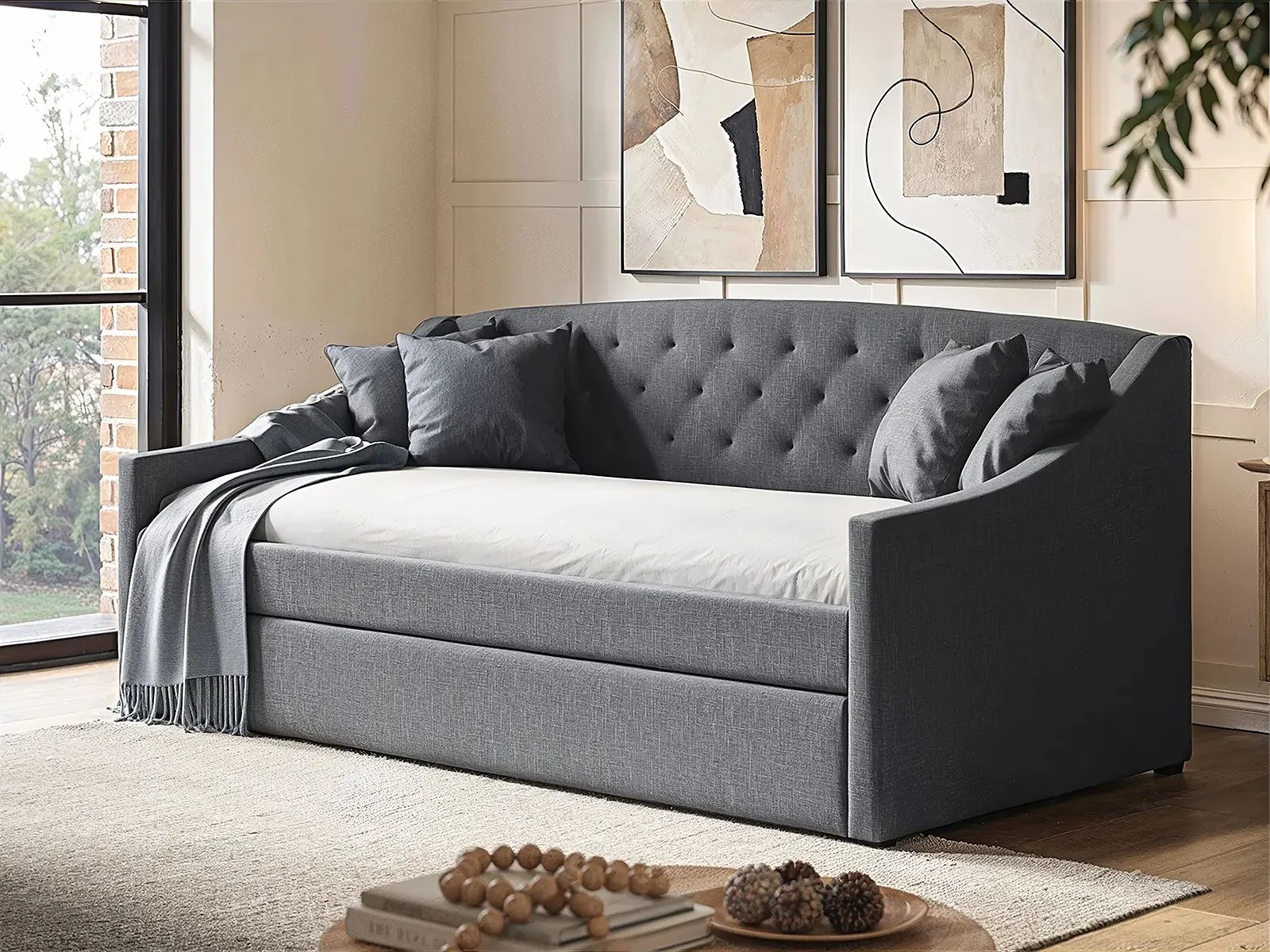
Sofa beds combine seating and sleeping space in one piece of furniture. During the day they function as a conventional sofa. When needed, they convert into a guest bed.
When is a sofa bed useful?
They’re particularly practical in:
- Spare rooms
- Small flats
- Home offices
- Student accommodation
- Multipurpose rooms
- Homes without a dedicated guest bedroom
Different mechanisms are available, including pull-out beds, click-clack designs and fold-out sleeping surfaces.
If occasional overnight guests are part of your decision, browse our sofa beds to compare different configurations.
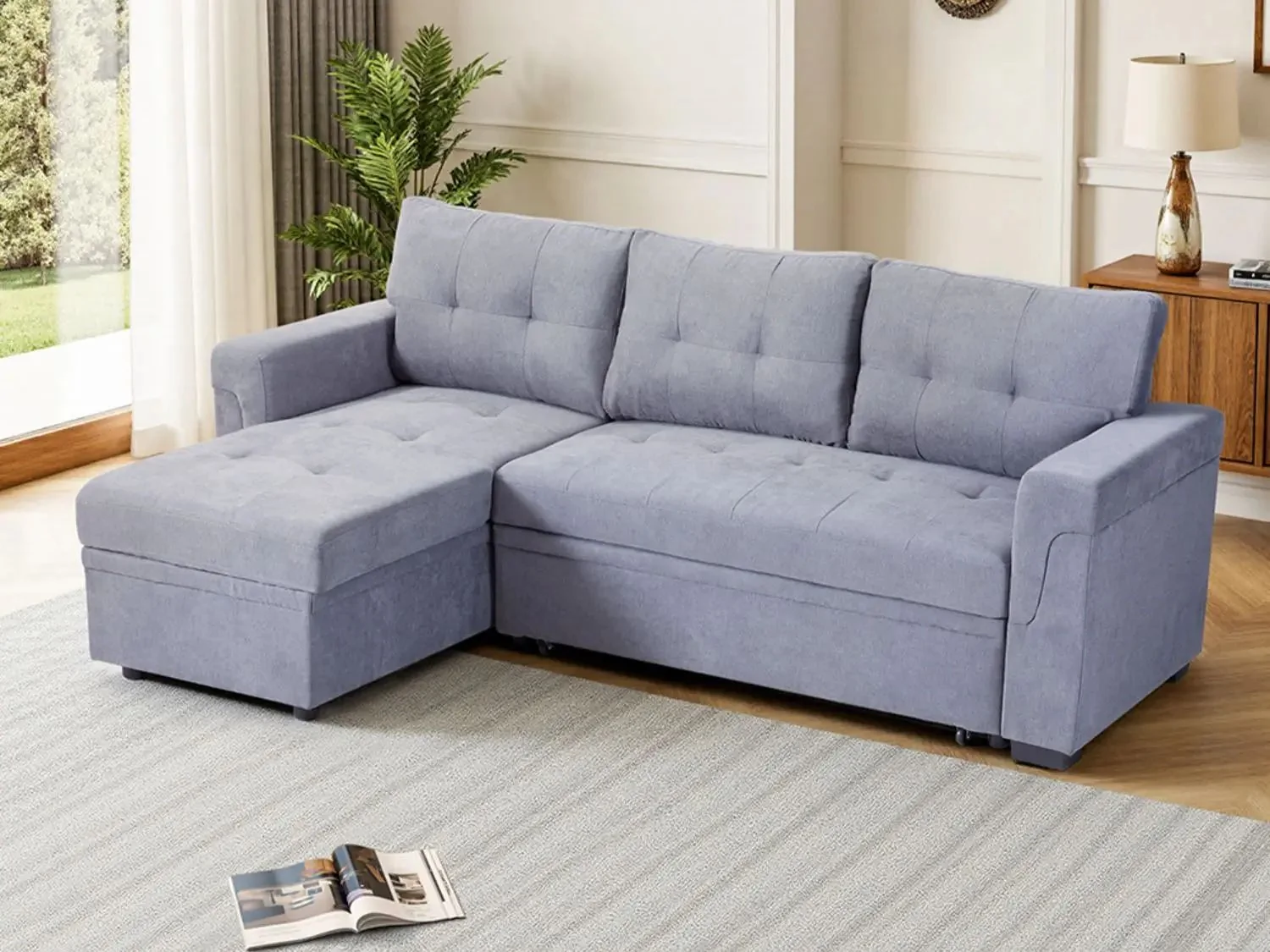
9. Corner Sofa Beds
Corner sofa beds combine the generous seating of a corner sofa with an additional sleeping function. They’re particularly useful in family rooms where the sofa needs to work hard during the day while still providing somewhere for guests to sleep.
Some designs also include built-in storage beneath the chaise, making them useful where floor space is limited.
10. Recliner Sofas
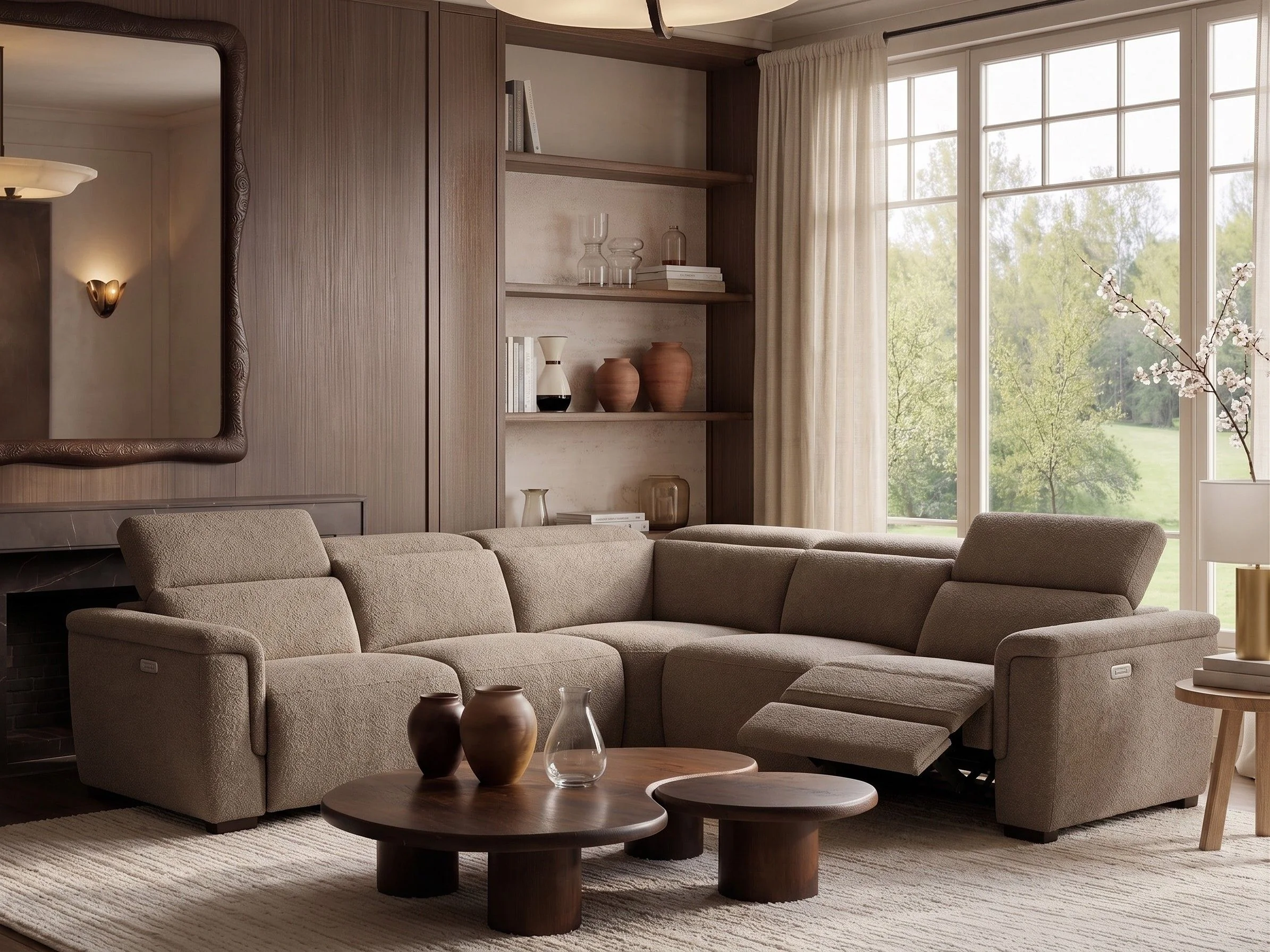
A recliner sofa allows part or all of the seating to tilt backwards while raising the footrest. This creates a more relaxed sitting position without needing a separate footstool.
Manual vs electric recliner sofas
Manual recliners typically use a lever or push-back mechanism.
Electric recliners use powered controls to adjust the seating position and may allow more gradual adjustment.
Some modern recliner sofas can also include features such as:
- Adjustable headrests
- USB charging points
- Cup holders
- Storage compartments
One thing people often forget is clearance. Measure the sofa in its fully reclined position as well as its upright dimensions.
11. Chesterfield Sofas
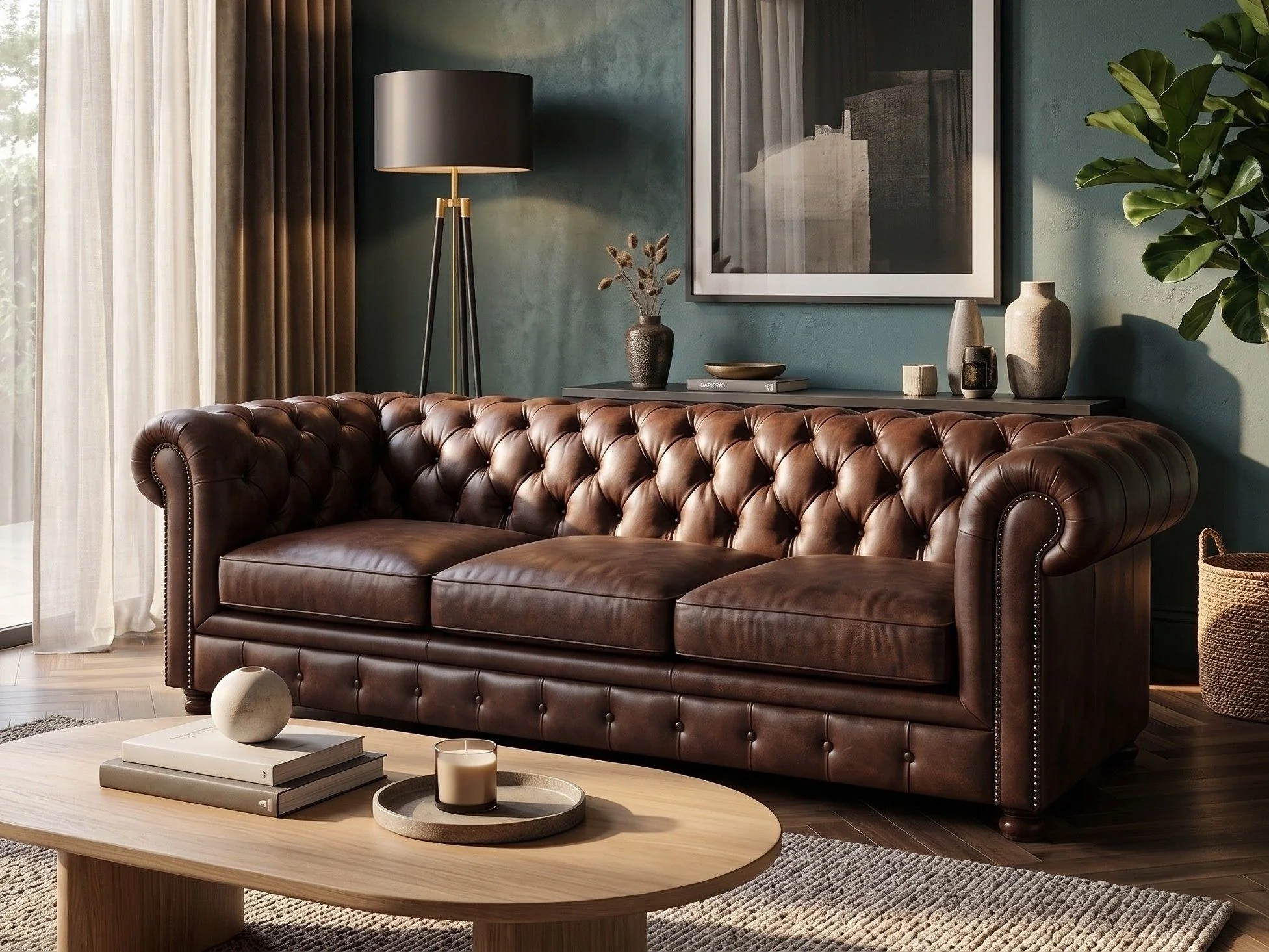
Chesterfield sofas are defined more by their design than their layout. Traditional versions feature deep button detailing, rolled arms and a structured silhouette, often with the arms and back sitting at a similar height.
Modern Chesterfields are available in everything from classic leather to contemporary fabric upholstery.
Why choose a Chesterfield sofa?
A Chesterfield can work well if you want:
- A traditional focal point
- A more formal-looking sofa
- Deep button detailing
- A design that works across classic and modern interiors
Bear in mind that the substantial rolled arms can increase the overall width without increasing the usable seating area.
12. Low-Profile Sofas
Low-profile sofas sit closer to the floor and usually have a lower back and broader proportions. They can create a relaxed, contemporary look and make rooms with lower ceilings feel more open.
Deeper versions are particularly suited to lounging, although lower seats won’t suit everybody.
Types of Sofa Compared
| Sofa type | Best for | Space needed | Main benefit | Key consideration |
|---|---|---|---|---|
| Two-seater sofa | Couples, flats and small living rooms | Low | Compact and easy to position | May feel limited for larger households |
| Three-seater sofa | Everyday family living | Medium | Good balance of seating and footprint | Check usable seat width as designs vary |
| Four-seater and large sofa | Larger households and spacious rooms | Medium–high | Generous seating without a corner layout | Can be difficult to manoeuvre through tight access |
| Corner sofa | Families and open-plan spaces | Medium–high | Maximises seating and makes use of corners | Check left-hand or right-hand orientation |
| Chaise sofa | Lounging and relaxed living rooms | Medium | Provides space to stretch out | Make sure the chaise doesn’t block walkways |
| Modular sofa | Flexible layouts and changing households | Varies | Can be rearranged or expanded | Individual modules can take up more overall space |
| U-shaped sofa | Large families and entertaining | High | Creates a sociable seating area with lots of space | Needs a generous room to avoid feeling overcrowded |
| Sofa bed | Guest rooms, flats and multipurpose spaces | Low–medium | Combines seating and sleeping space | Check dimensions when fully opened |
| Corner sofa bed | Families needing seating and guest accommodation | Medium–high | Combines large seating capacity with a guest bed | Needs enough room for both the corner layout and bed mechanism |
| Recliner sofa | Relaxing, TV rooms and comfort-focused spaces | Medium–high | Adjustable seating position | Requires additional clearance when reclined |
| Chesterfield sofa | Traditional and statement interiors | Medium | Distinctive buttoned design and strong character | Wide rolled arms can reduce usable seating space |
| Low-profile sofa | Contemporary rooms and relaxed interiors | Medium | Creates an open, modern look and relaxed seating position | Lower seat height may not suit everyone |
Which Sofa Type Is Best for a Small Living Room?
Compact two-seater and three-seater sofas are generally the safest choices for smaller living rooms. However, a small corner sofa can sometimes use space more efficiently if it sits neatly against two walls.
Look for:
- Slim arms
- Raised legs
- Compact depth
- Light visual proportions
- Built-in storage where useful
Avoid choosing purely by the number of seats. Overall dimensions matter far more.
Which Sofa Type Is Best for a Family?
Three-seater, four-seater, corner and modular sofas are all strong options for family homes.
Corner sofas are particularly practical when several people want to sit together, while modular sofas give you more flexibility as your household changes.
For busy family spaces, also consider how easily everyone can move around the sofa and whether the layout gives people enough personal seating space.
Which Sofa Type Is Best for Entertaining?
Corner, modular and U-shaped sofas tend to work particularly well for entertaining because they encourage people to sit facing towards one another rather than in a straight line.
In larger rooms, you can also pair two straight sofas opposite each other to create a conversational layout.
The best arrangement depends on the shape of the room as much as the sofa itself.
Which Sofa Type Is Best for Lounging?
Chaise sofas, corner sofas, recliners and deep modular sofas are usually the strongest choices for lounging. They give you more opportunities to stretch out than a conventional upright sofa.
Look at seat depth as well as the overall style. Two sofas with similar external dimensions can feel completely different once you sit down.
Does Sofa Material Matter?
Yes, but it deserves its own decision.
Once you’ve chosen the right sofa style and size, upholstery affects how the sofa feels, looks and copes with everyday use.
Popular choices include:
- Chenille
- Velvet
- Bouclé
- Woven fabrics
- Leather
- Cord
- Linen-look fabrics
We cover these in more detail in our guide to sofa materials .
Quick Tips for Choosing Between Sofa Types
- Measure before shopping: Start with maximum width and depth.
- Consider your normal household: Buy for everyday use rather than the occasional busy Christmas.
- Check orientation: Especially with corner and chaise sofas.
- Think about how you sit: Loungers and upright sitters need different things.
- Leave walking space: A sofa shouldn’t block the natural route through the room.
- Measure access: Your sofa needs to reach the living room as well as fit inside it.
- Check seat dimensions: External width doesn’t tell you how much usable seating you’re getting.
- Consider future layouts: Modular designs give you more flexibility if you move or rearrange the room.
Find the Right Sofa for Your Living Room
Understanding the different types of sofa makes choosing the right one much simpler.
Start with the shape and size that suits your room, then consider how many people need seating and whether you prefer lounging, upright sitting or additional features such as reclining or guest sleeping space.
Explore Bed Kingdom’s sofa collection to compare different sizes, shapes, fabrics and designs for your living space.
Need your new sofa sooner? Browse our next day sofas for styles available with faster delivery.