
Sofa Fabric Guide: Which Material Is Right For You?
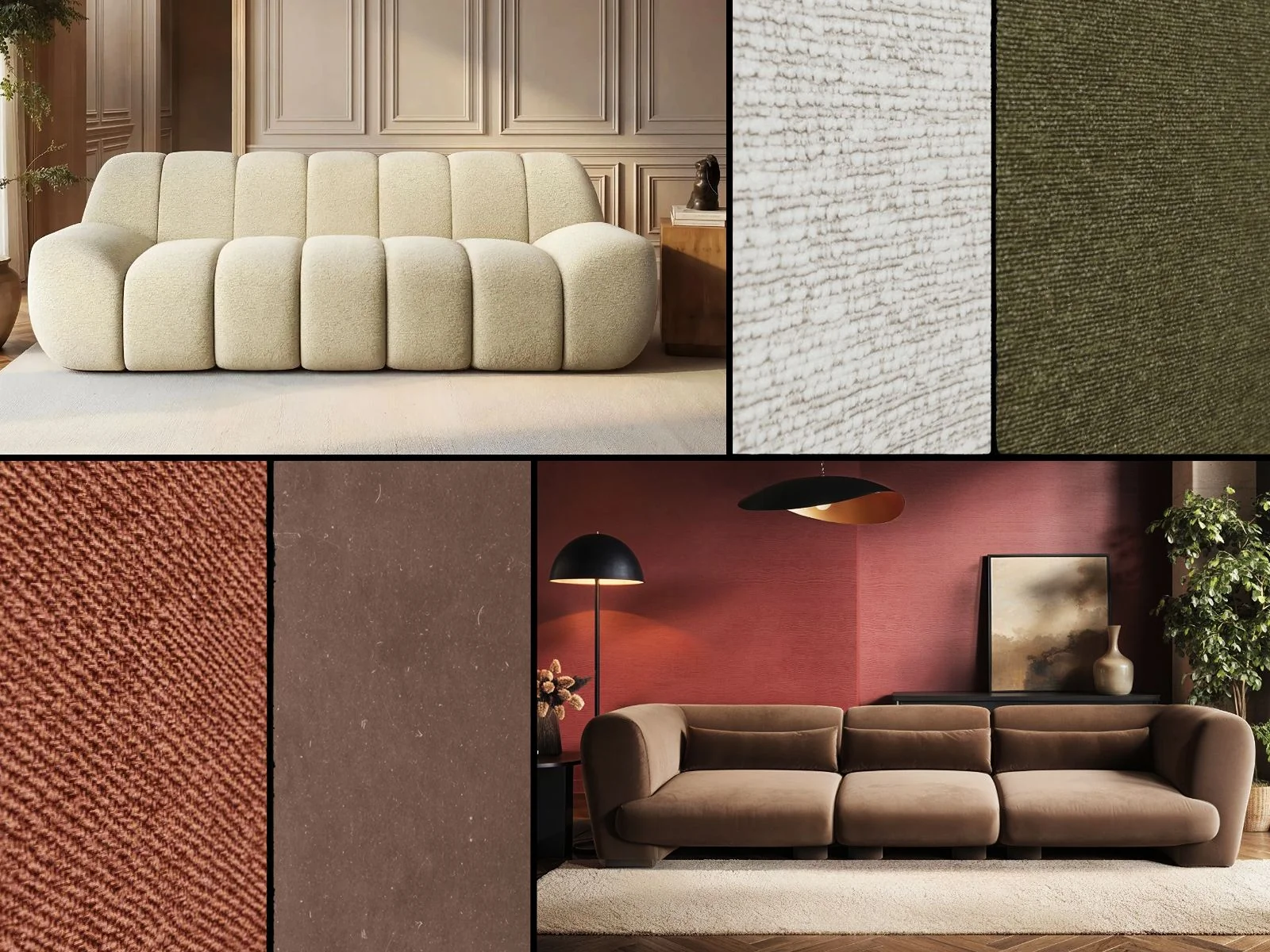
The right sofa fabric has to do more than look good. It needs to feel comfortable, suit the way you use your living room and cope with everything from everyday lounging to children, pets and the occasional spilt drink.
This sofa fabric guide compares some of the most popular sofa materials, including woven fabric, velvet, chenille, bouclé and leather. We’ll look at how they differ in feel, durability and care, plus which options work best for pets and busy households.
If you’re still deciding on the shape of your sofa rather than its upholstery, our guide to the different types of sofa is a useful place to start.
Which Sofa Fabric Is Right for You?
The best sofa fabric depends on your household and how the sofa will be used. Woven fabrics are versatile for everyday living, chenille is soft and comfortable, velvet creates a smooth statement finish, bouclé adds distinctive texture, while leather is durable and relatively easy to wipe clean. Always check the individual upholstery specification and care instructions before buying.
Types of Sofa Fabric Explained
There’s no single best sofa material for every home. Each upholstery type has different strengths, so it helps to compare appearance, feel and practical upkeep before deciding.
Fabric Sofas
“Fabric sofa” is a broad term covering sofas upholstered in woven textiles rather than leather.
Depending on the sofa, the upholstery may use natural fibres, synthetic fibres or a blend of both. The weave, fibre composition and any protective treatments can all influence how durable and easy to maintain the finished fabric is.
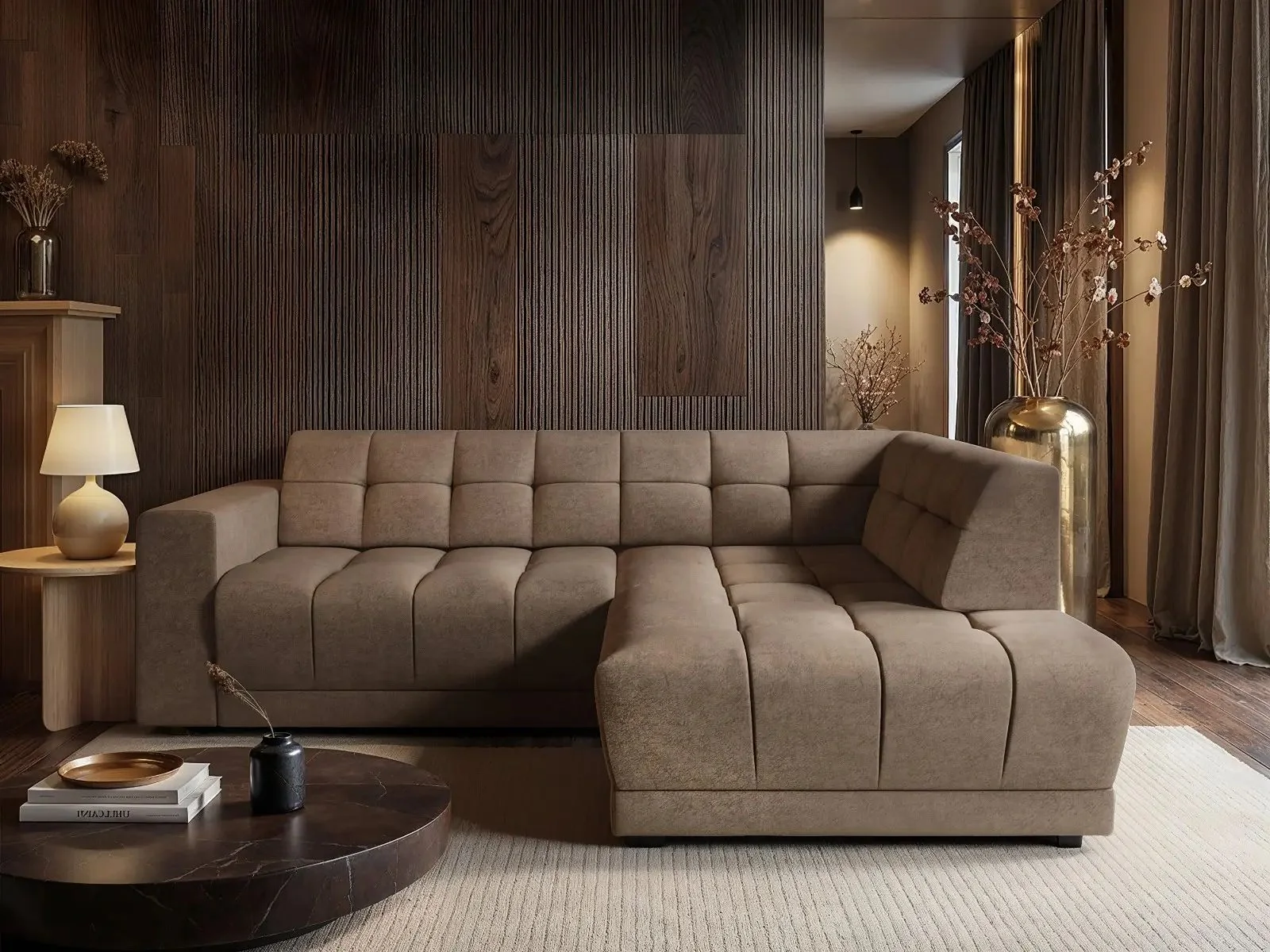
Fabric sofas are popular because they offer:
- A huge choice of colours and textures
- A soft, comfortable surface
- Options for most interior styles
- Plenty of choice across different price points
- Everything from smooth to heavily textured finishes
For a family living room, look beyond colour and pay attention to the product’s care instructions and durability specification.
Best for: versatile everyday living rooms and households wanting plenty of choice.
Velvet Sofas
Velvet has a short, dense pile that gives it its characteristic softness and depth of colour. It works particularly well when you want the sofa to become a focal point. Rich greens, blues and warmer neutral tones can look particularly striking because the pile reflects light differently depending on its direction.
Velvet does need appropriate care. Deep-pile upholstery can require gentler cleaning methods, and manufacturer instructions should always take priority before you vacuum, brush or treat it.
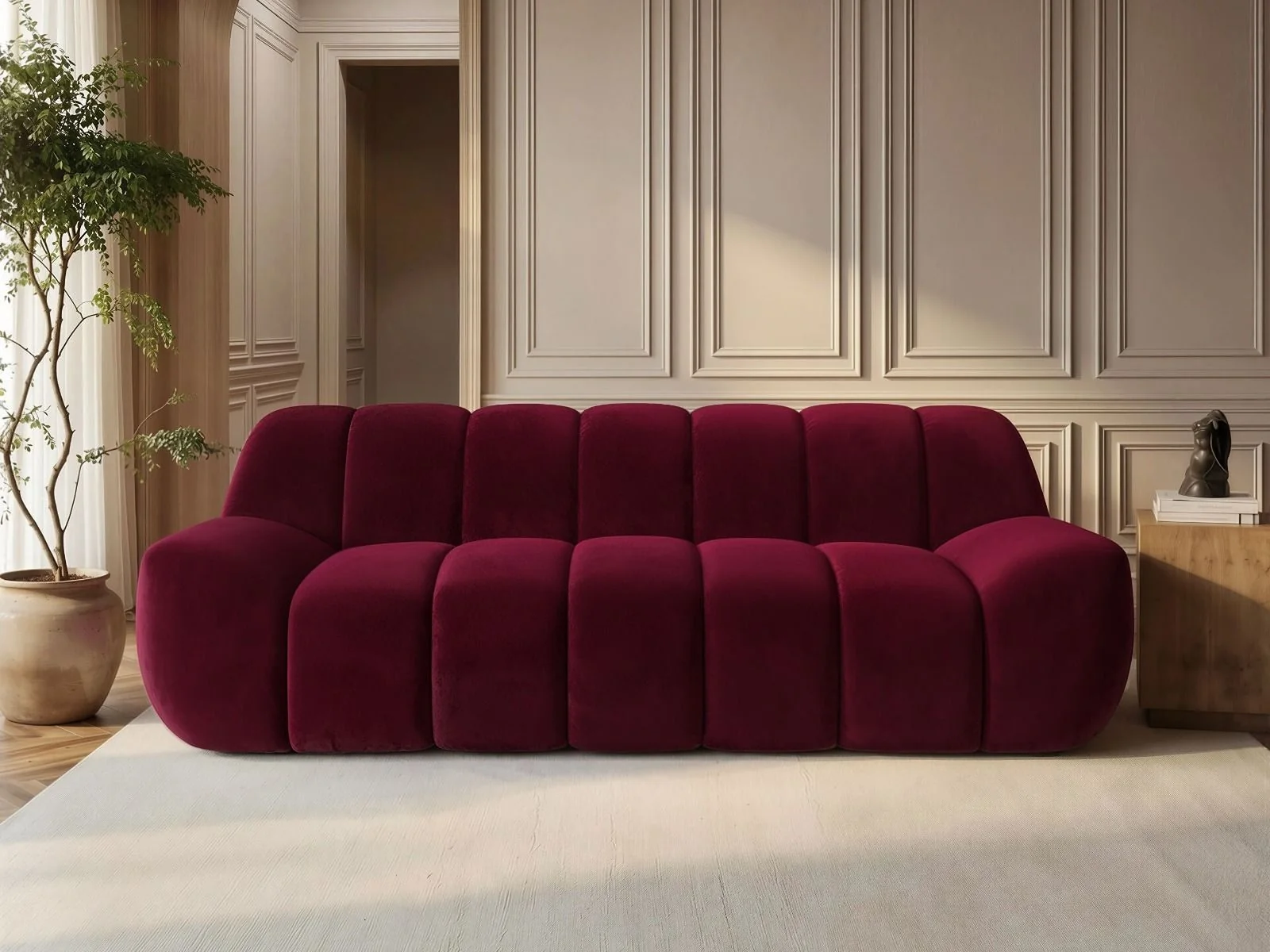
Advantages of velvet sofas:
- Soft and tactile
- Rich colour appearance
- Works across modern and traditional interiors
- Can provide a relatively smooth surface without an open weave
Things to consider:
- The pile can show pressure marks
- Some velvets need more careful maintenance
- Spills should be dealt with promptly
- Cleaning methods vary between velvet types
Best for: statement living rooms and anyone who wants a softer, smoother upholstery finish.
Chenille Sofas
Chenille is known for its soft, slightly plush texture. Its raised yarn gives it a comfortable and inviting appearance, making it particularly well suited to sofas designed for everyday lounging.
Chenille can also be surprisingly hard-wearing depending on its construction, although heavily textured versions may be more vulnerable to snagging than a very tight, flat weave.
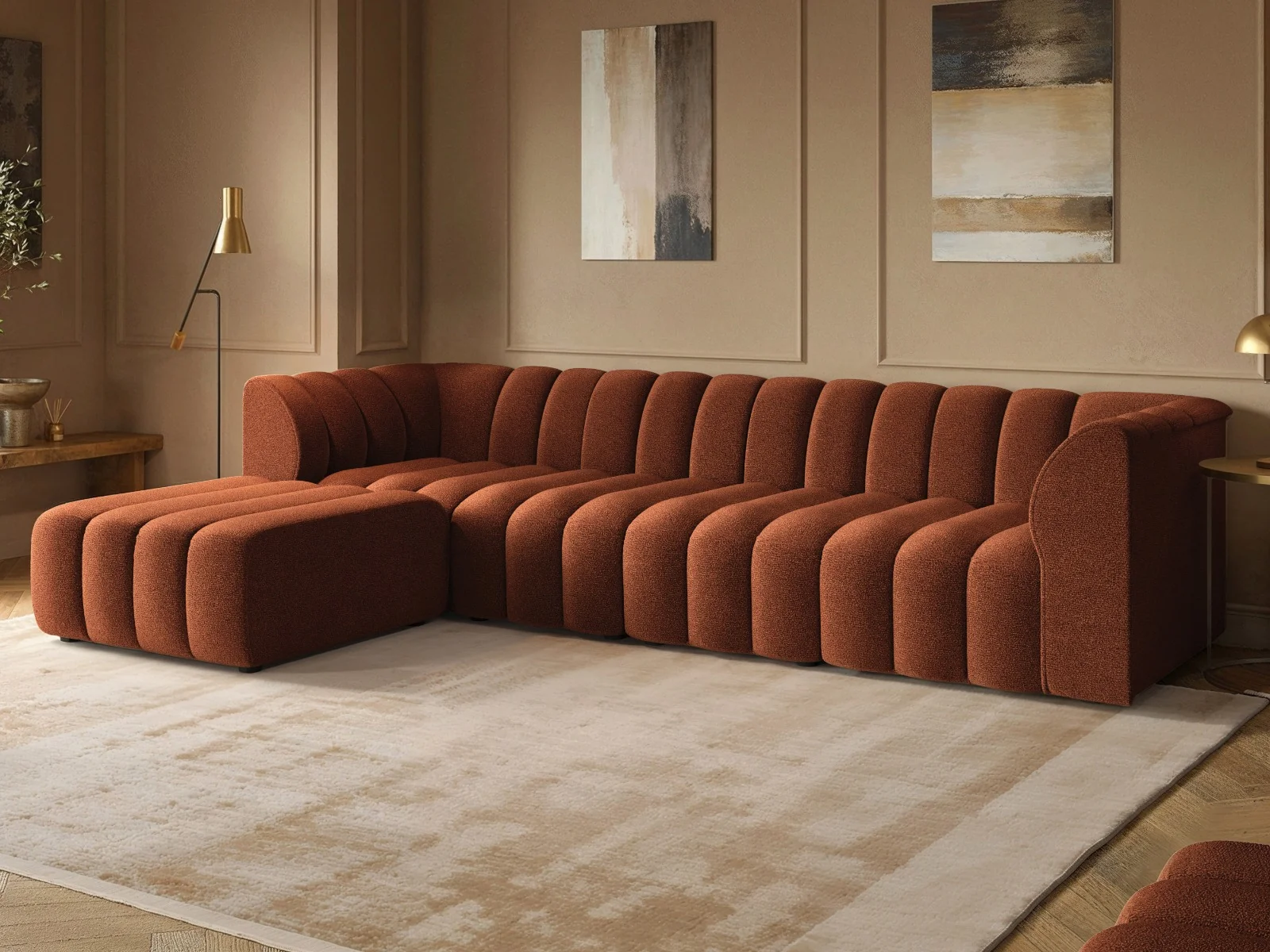
Advantages of chenille sofas:
- Soft and comfortable
- Warm, textured appearance
- Works particularly well on larger sofas
- Available in contemporary and traditional designs
Things to consider:
- Texture can trap more dust than smoother materials
- Some chenilles can catch on claws or sharp objects
- The pile may change appearance as it’s brushed
Best for: cosy family rooms and shoppers who prioritise comfort and texture.
Bouclé Sofas
Bouclé has become easy to recognise thanks to its looped, tactile surface. It works particularly well on curved and sculptural sofas, where the heavily textured upholstery softens the overall shape.
Cream and neutral bouclé are especially popular, although darker shades can be a more practical option in busy living spaces.
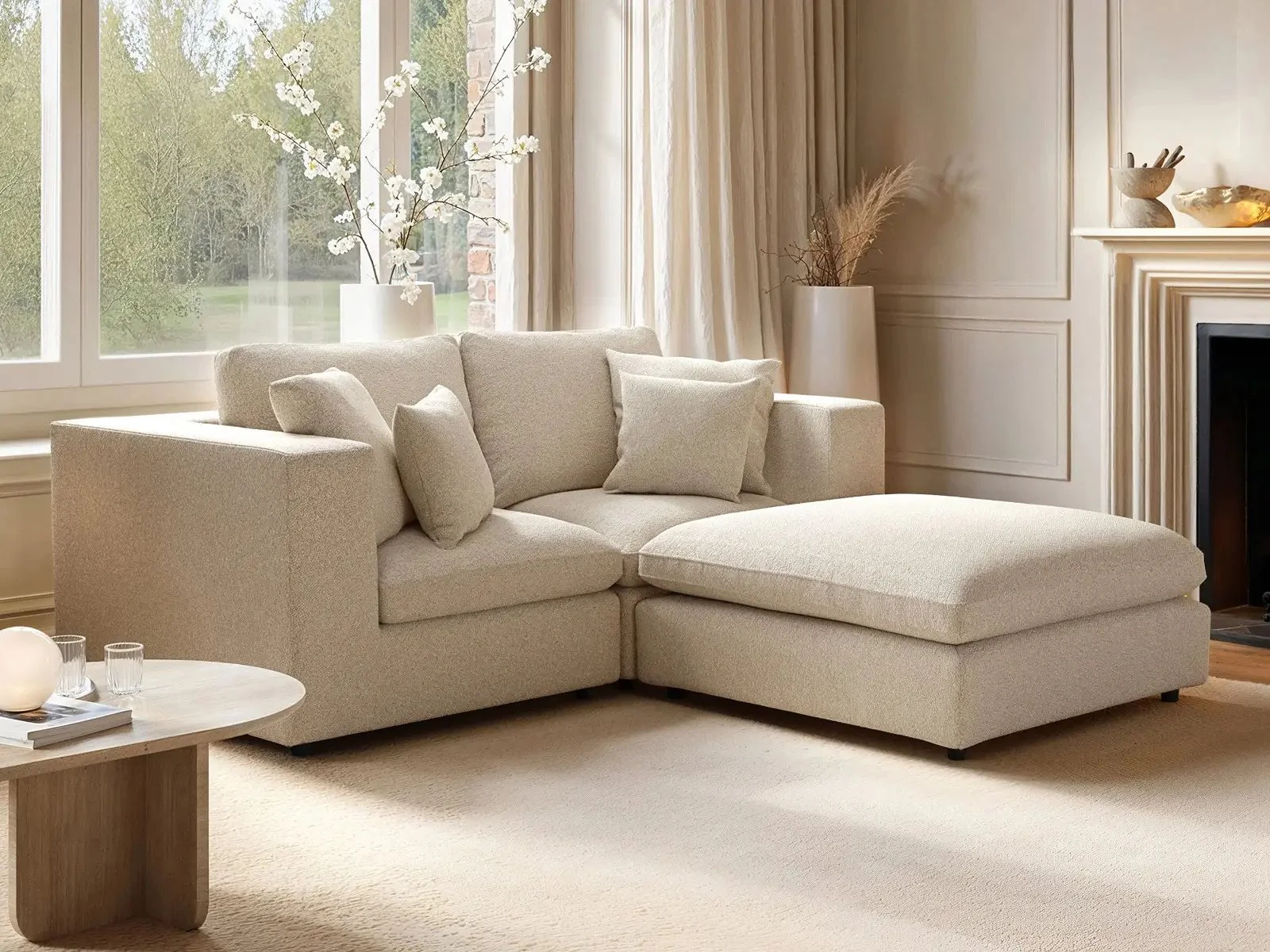
Advantages of bouclé sofas:
- Distinctive textured finish
- Soft and cosy appearance
- Pairs well with curved furniture
- Works particularly well in neutral interiors
Things to consider:
- The looped texture can catch on claws
- Crumbs and debris can settle within the surface texture
- Pale bouclé may show marks more readily
- Cleaning instructions vary between fabrics
Best for: contemporary interiors where texture and appearance are the priority.
If you have cats that regularly scratch furniture, a heavily looped bouclé probably wouldn’t be my first choice. A tighter, smoother upholstery gives claws fewer obvious gaps to catch.
Leather Sofas
Leather offers a very different surface from textile upholstery.
Rather than having a woven or piled texture, leather creates a smooth finish that can become softer and develop more character with use.
One of its biggest practical advantages is that smooth, sealed leather can be relatively easy to wipe clean. However, different leather finishes behave differently, so nubuck, suede and more natural leathers shouldn’t be treated in the same way as protected or pigmented leather.
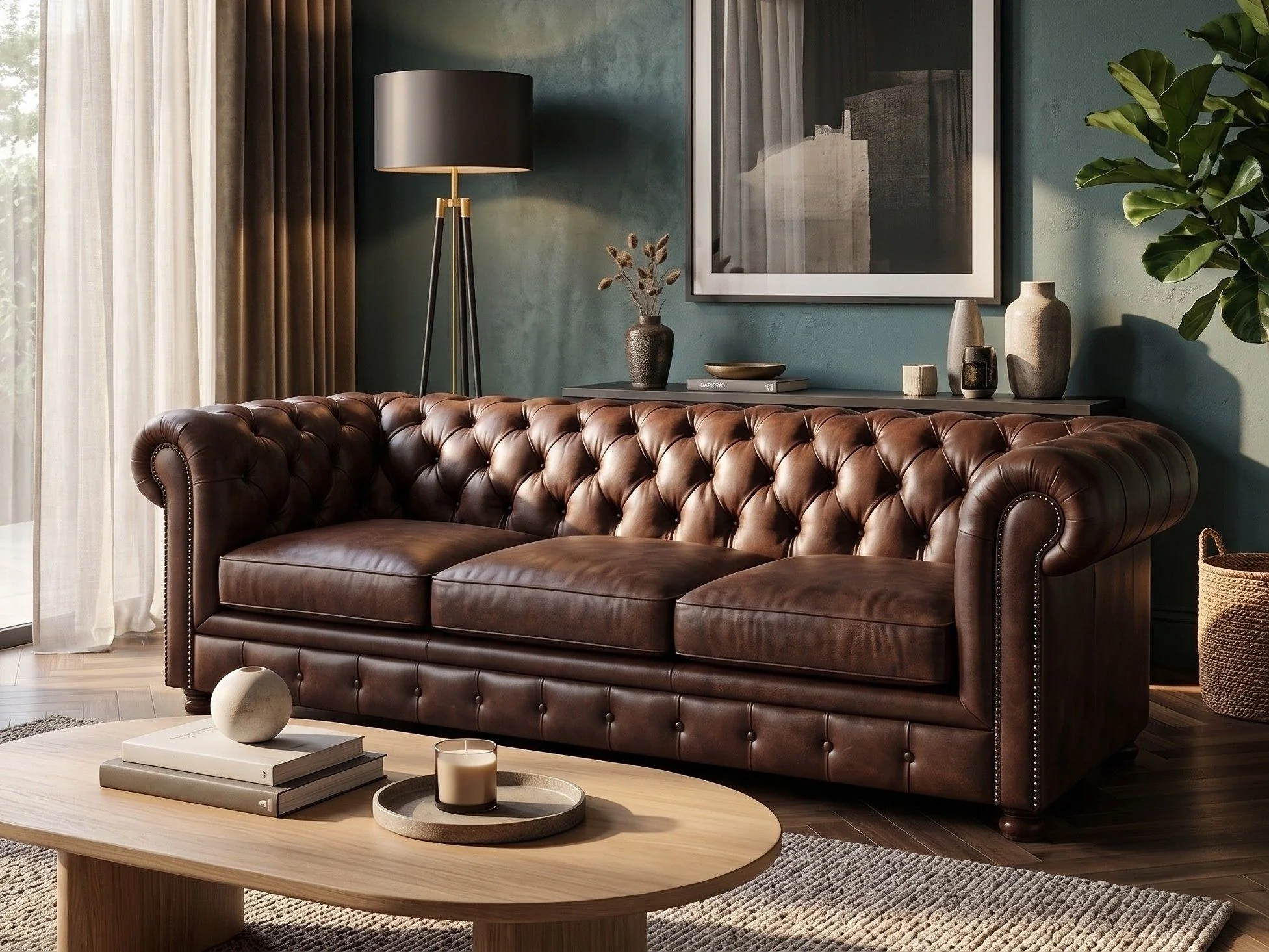
Advantages of leather sofas:
- Durable
- Relatively easy to wipe clean
- Doesn’t trap loose hair like some textured fabrics
- Develops character over time
- Works with traditional and contemporary furniture
Things to consider:
- Claws can leave visible scratches
- Genuine leather can cost more
- It needs appropriate leather care
- Natural markings and colour variation are part of some leather finishes
Best for: busy households wanting a durable, smoother and easier-to-wipe surface.
Sofa Materials Compared
| Sofa material | Feel | Durability | Cleaning | Pets | Best for |
|---|---|---|---|---|---|
| Woven fabric | Soft to textured | Good–very good | Usually straightforward | Good if tightly woven | Everyday family living |
| Velvet | Smooth and soft | Good, depending on type | Moderate | Can work well with pets if tightly woven | Statement interiors |
| Chenille | Plush and cosy | Good | Moderate | Some types may snag | Comfortable family rooms |
| Bouclé | Highly textured | Good | More involved | Less suitable for persistent scratchers | Contemporary interiors |
| Leather | Smooth and structured | Very good | Generally easy | Easy for hair, but claws can scratch | Busy households |
Important: the upholstery name alone doesn’t tell you how durable a sofa will be. Construction, fibre composition, weave density, protective finishes and the individual fabric specification all matter.
What Are the Most Durable Sofa Materials?
For a sofa that sees heavy everyday use, durability should be one of your first considerations.
Leather and tightly woven upholstery fabrics are generally among the strongest choices, but the individual specification matters more than simply choosing a material by name. Protected or pigmented leather can provide additional resistance to staining and fading compared with more natural leather finishes.
For fabric sofas, pay attention to:
- Weave density: tighter fabrics leave fewer gaps that can snag.
- Abrasion testing: where a rub-test figure is supplied, it can help you compare fabrics designed for heavier use.
- Easy-clean treatments: useful in family homes where spills are more likely.
- Colour: mid-tones can be more forgiving of everyday marks.
- Care requirements: hard-wearing doesn’t necessarily mean maintenance-free.
A tightly woven fabric can be a particularly sensible option in homes with pets because there are fewer gaps for claws to catch.
What Sofa Fabric Is Best for Cats?
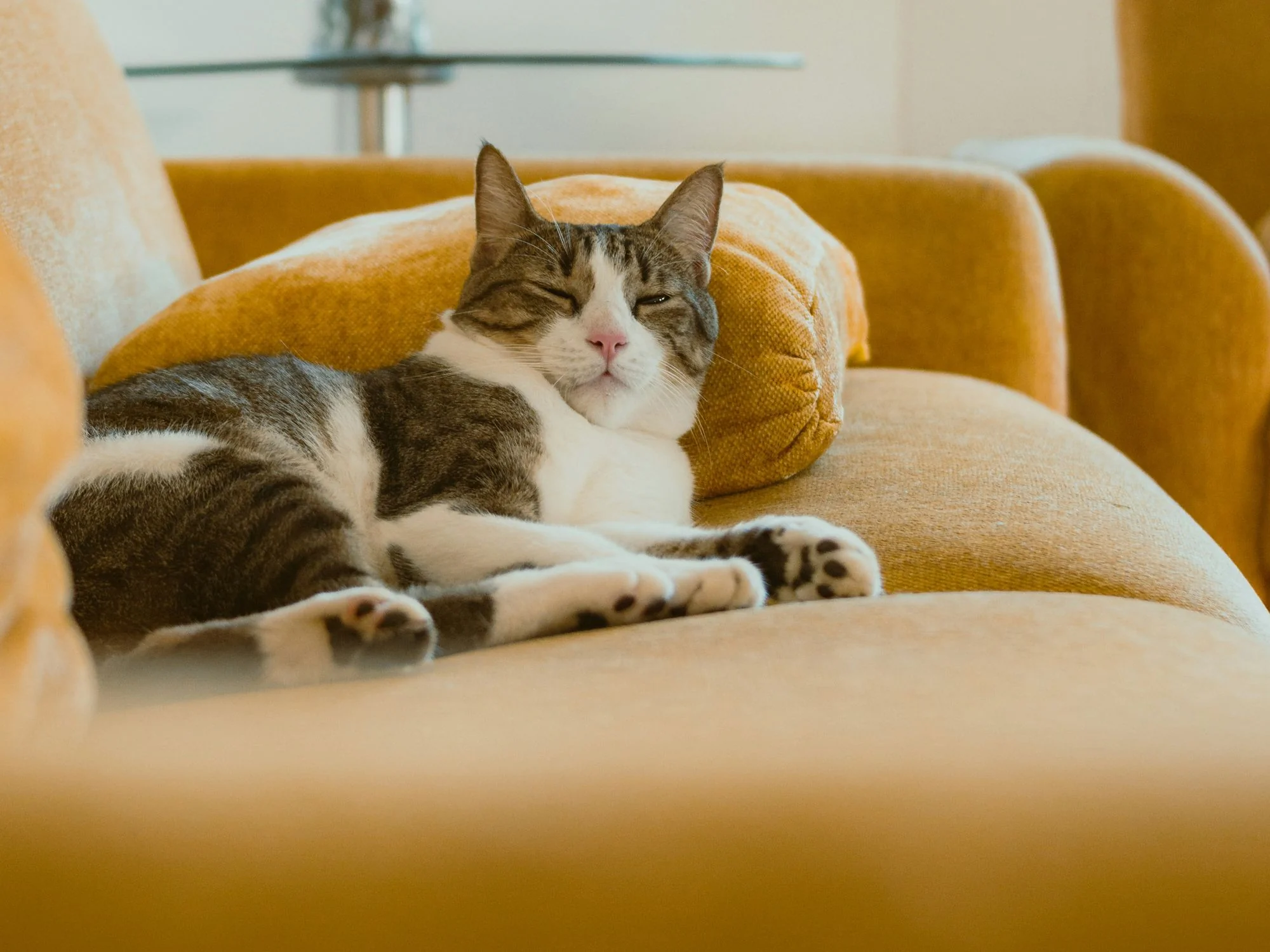
If you have cats, prioritise a tightly woven, relatively smooth upholstery fabric.
Tight weaves provide fewer spaces for claws to catch than loose or heavily looped materials. For that reason, they’re generally more practical than highly textured bouclé for cats that regularly jump on or scratch furniture.
Good features to look for include:
- Tight weave
- Smooth or short pile
- High abrasion resistance
- Easy-clean finish
- A colour that doesn’t make shed fur immediately obvious
Velvet can sometimes work surprisingly well because certain versions have a dense, tight surface rather than obvious loops. However, upholstery construction varies significantly, so check the individual product specification.
Leather is easy to remove fur from, but there’s a trade-off: claws can leave permanent scratches. And unfortunately, there’s no such thing as a genuinely cat-proof sofa. Even very durable upholstery can be damaged by determined claws.
What Sofa Material Is Best for Dogs?
For dogs, look for a combination of durability, tight construction and easy cleaning.
A tightly woven upholstery fabric with an easy-clean treatment can work particularly well because it’s better suited to repeated use while helping you deal with muddy paws, loose fur and everyday marks.
Smooth leather is another practical option because hair is less likely to become trapped within the surface and many spills can be wiped away. The main downside is scratching from claws.

For a dog-friendly sofa, prioritise:
- Tightly woven upholstery
- Easy-clean or stain-resistant finishes
- Strong abrasion resistance
- Removable cushions where appropriate
- Colours close to your pet’s fur
- Straightforward manufacturer care instructions
If your dog loves curling up beside you, durability is more useful than trying to keep the sofa pristine. Furniture has to survive real homes, after all.
What Sofa Material Is Easiest to Clean?
Smooth, protected leather is generally one of the easiest sofa materials to wipe clean, making it a strong option for busy households. This doesn’t apply equally to every type of leather, though: suede, nubuck and some natural finishes can require specialist care.
For textile sofas, look for upholstery specifically described as easy-clean or stain-resistant.
A practical order would be:
- Protected smooth leather - easy to wipe down
- Easy-clean tightly woven fabric - practical for family life
- Standard woven fabric - usually manageable with appropriate care
- Chenille and velvet - generally need slightly more considered cleaning
- Highly textured bouclé - debris can be harder to remove from the loops
That’s a general guide rather than an absolute ranking. Always follow the cleaning instructions supplied with the individual sofa.
Which Sofa Is Best: Leather or Fabric?
Neither leather nor fabric is universally better. The choice depends on what matters most in your home.
Choose a Fabric Sofa If...
A fabric sofa is likely to suit you if you want:
- More colours and textures
- A softer feel
- A cosy appearance
- Greater choice across different styles
- Upholstery that doesn’t feel as smooth or structured as leather
Fabric is particularly versatile because there are so many different weaves and finishes available.
Choose a Leather Sofa If...
Leather may be the better option if you want:
- A durable surface
- Easier day-to-day wiping
- Less fabric texture to trap hair
- A material that develops character with age
- A more structured or classic look
Protected leather can be particularly practical in busy households, but cat and dog owners should remember that claws can scratch the surface.
How to Clean Sofa Fabric
Before cleaning any sofa, check the manufacturer’s care instructions first. Upholstery fabrics vary considerably, and a cleaning method that works perfectly on one sofa can damage another.
For general fabric sofa care:
- Remove surface dust and debris regularly. Use the cleaning method recommended for your upholstery. If vacuuming is permitted, use low suction and an appropriate upholstery attachment.
- Deal with spills quickly. Gently blot rather than rubbing them further into the fibres.
- Use only suitable upholstery products. Avoid assuming that a general household cleaner is safe for your sofa.
- Test products somewhere hidden first. This helps check for changes in colour or texture.
- Don’t machine-wash removable covers unless the manufacturer explicitly says you can.
- Consider professional cleaning for deeper stains or specialist materials.
How to Choose the Best Sofa Fabric for Your Home
The easiest way to choose between sofa materials is to start with how the room actually gets used.
For Busy Family Living Rooms
Prioritise durability and maintenance.
Look for:
- Tightly woven fabrics
- Easy-clean treatments
- Practical mid-tone colours
- High abrasion resistance where specified
- Straightforward cleaning instructions
A beautifully delicate sofa won’t feel particularly luxurious if you’re nervous every time somebody sits on it with a cup of tea.
For Homes With Pets
Look at the fabric construction rather than simply the material name.
Tight weaves generally leave fewer gaps for claws to snag, while easy-clean finishes make muddy paws and other everyday marks easier to manage.
Avoid choosing a heavily looped fabric simply because it looks cosy if your cat treats every textured surface as a scratching post.
For Low-Maintenance Living
Protected leather and easy-clean woven fabrics should be high on your list.
Whichever material you choose, check exactly what the manufacturer recommends for spills and routine maintenance.
For a Soft, Cosy Look
Chenille and bouclé bring plenty of texture, while velvet provides softness with a smoother appearance.
The choice comes down to whether you prefer noticeable texture or a richer, more polished finish.
For a Statement Sofa
Velvet, bouclé and leather can all give a sofa more presence.
Velvet brings colour depth, bouclé adds texture and leather develops character as it ages.
Quick Tips for Choosing Sofa Fabric
- Think about everyday use: Choose for your real household, not just the showroom.
- Check the weave: Tightly woven fabrics can be particularly useful in busy and pet-friendly homes.
- Read the care instructions: Never assume two similar-looking fabrics can be cleaned in the same way.
- Consider your pets: Claws, fur and muddy paws should influence your choice.
- Look at colour practically: Very pale and very dark sofas can both show certain marks more readily.
- Check durability: Use abrasion or rub-test information where the manufacturer provides it.
- Order samples where possible: Texture and colour can look different in your own lighting.
- Measure before buying: Fabric won’t matter much if the sofa can’t get through the door.
Find the Right Sofa Material for Your Home
The best sofa material is the one that balances comfort, appearance and the practical demands of your household.
Choose tightly woven or easy-clean upholstery when durability matters most, chenille or bouclé when you want more texture, velvet for a smooth statement finish or leather if easy wiping and long-term durability are priorities.
Before you buy, make sure you’ve also chosen the right type of sofa and checked your measurements using our guide to measuring for a sofa.
Then explore our sofa collection to compare fabrics, colours and styles for your living room.
Need your new sofa sooner? Browse our next-day sofas for styles available with faster delivery.