
What Is Sleep Inertia and Why Do You Feel Groggy After Waking?
That foggy, groggy feeling when you first wake up is known as sleep inertia. It can last from a few minutes to over an hour and makes even simple tasks feel harder. Understanding its causes allows you to adopt straightforward habits that help you feel more alert in the morning.
What Exactly Is Sleep Inertia?
Sleep inertia describes the temporary decline in cognitive performance and mood that occurs immediately after waking. You might feel disoriented, slow to react, or unusually tired even after what seems like a full night’s sleep. It is a normal physiological process rather than a sign of poor sleep habits, although certain factors can make it worse.
The Science Behind Morning Grogginess
During sleep we cycle through different stages, from light sleep to deep slow-wave sleep and REM. Waking during deep sleep leaves the brain in a transitional state where adenosine levels remain high and parts of the prefrontal cortex are not yet fully online. This mismatch creates the groggy sensation. Sleep inertia is strongest when waking from slow-wave sleep, which tends to cluster in the first half of the night.
Circadian rhythm also plays a part. Our internal body clock influences alertness, and waking at a time that conflicts with natural cortisol and melatonin patterns can intensify the effect. Age, sleep debt and individual chronotype further influence how long the grogginess lasts.
Common Triggers for Stronger Sleep Inertia
- Waking during deep sleep stages
- Sleep deprivation or irregular schedules
- Heavy meals or alcohol close to bedtime
- Sudden loud alarms that jolt you awake
- Overly warm or uncomfortable sleeping environment
How Your Mattress Affects Sleep Inertia
The quality of your sleep surface influences how easily you move through sleep cycles and how rested you feel upon waking. A supportive mattress that suits your body type can promote more natural transitions between stages, reducing the chance of being pulled from deep sleep abruptly.
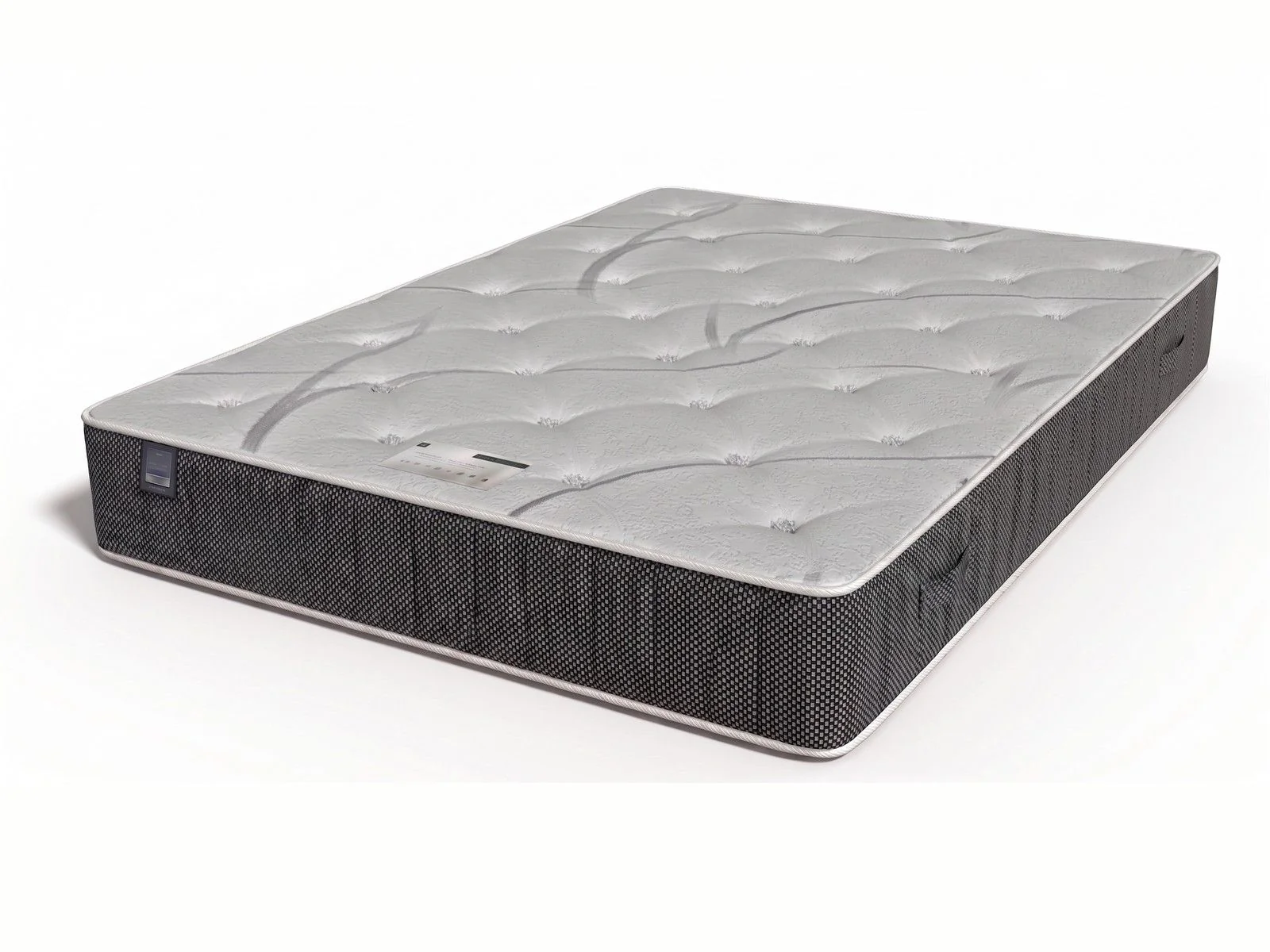
If you often wake feeling heavy-limbed, it may be worth considering a Maxitex Diamond Dual Season 1000 Pocket Memory Mattress for its balanced support and temperature regulation. Those who prefer a natural feel might choose the Noomi Bamboo Natural Latex Pocket Sprung Mattress, while families can explore the Maxitex Kids Magic Memory Foam Mattress to help children wake more refreshed.
Adding a breathable layer on top can also make a difference. A well-chosen mattress topper helps regulate temperature and pressure points, supporting steadier sleep throughout the night.
Simple Strategies to Reduce Morning Grogginess
You cannot eliminate sleep inertia completely, but you can shorten its duration and lessen its intensity with consistent habits.
1. Align Your Wake Time with Your Sleep Cycles
Try to wake at the end of a sleep cycle rather than in the middle of deep sleep. Apps that track movement or simple fixed wake times after consistent bedtimes can help. Even on days off, keeping roughly the same rising time supports your circadian rhythm.
2. Use Light to Signal Wakefulness
Exposure to bright light within the first hour of waking suppresses melatonin and boosts alertness. Open curtains immediately or step outside for a few minutes. In darker months, a dedicated wake-up light can mimic natural sunrise.
3. Move Your Body Gently
A short sequence of stretches or a brief walk around the house increases blood flow and helps clear residual adenosine. Avoid intense exercise straight after waking; gentle movement works best.
4. Stay Hydrated from the Start
Overnight we lose fluid through breathing. Drinking a glass of water soon after rising rehydrates the body and can improve mental clarity within minutes.
5. Choose a Consistent Bedtime Routine
A calming wind-down routine that includes dim lights and avoiding screens helps you fall asleep faster and reach deeper sleep stages earlier in the night. This timing makes it easier to wake during lighter stages in the morning.
Optimising Your Bedroom Environment
Your surroundings have a direct impact on sleep quality and therefore on how you feel upon waking. Keep the room cool, quiet and dark. Blackout curtains, earplugs or a white-noise machine can all help if needed.
Investing in comfortable bedding also matters. Soft furnishings that regulate temperature prevent overheating, which fragments sleep and increases the likelihood of waking during deep stages. Browse our range of soft furnishings for options that support a stable sleep environment.
For children, a supportive single bed can make a noticeable difference to their rest and morning mood. The Flair kids beds combine sturdy construction with practical design that encourages good sleep habits from an early age.
When to Consider Professional Advice
If morning grogginess persists despite consistent sleep schedules and a supportive bedroom setup, it is sensible to speak with your GP. Conditions such as sleep apnoea, insomnia or certain medications can contribute to prolonged inertia. A professional can help identify underlying causes and suggest appropriate next steps.
In the meantime, small consistent changes to your sleep surface, light exposure and daily routine often bring the biggest improvements. A supportive memory foam mattress or a refreshing SOLACE+CO model can be part of creating the conditions for lighter, more restorative mornings.
Understanding sleep inertia removes the frustration of feeling unproductive first thing and puts practical tools in your hands. By paying attention to when and how you wake, and by choosing sleep products that genuinely support your needs, you can reduce that heavy-headed feeling and start the day with greater clarity.