
The Science of Napping: How Long Should a Nap Be?
The ideal nap length depends on what you need. A 10-20 minute nap sharpens alertness without grogginess, while 90 minutes lets you complete a full sleep cycle for deeper restoration. Timing matters too – early afternoon usually works best.
Why Napping Matters
Many of us feel a natural dip in energy during the afternoon. A short nap can restore focus and lift mood. The length and timing determine whether you wake refreshed or feeling worse. Understanding how sleep cycles work helps you choose the right approach for your routine.
Understanding Sleep Cycles
At night we move through sleep stages in cycles lasting roughly 90 minutes. Each cycle includes light sleep, deep slow-wave sleep and REM sleep where dreaming occurs. Naps work the same way, so their benefits change with duration.
A very short nap stays in the lightest stage. Longer naps reach deeper stages but risk sleep inertia – that heavy, disoriented feeling – if you wake mid-cycle. This is why many experts recommend either keeping naps brief or aiming for a full cycle.
The Stages and Their Benefits
- Stage 1 (light sleep): Improves alertness and creativity.
- Stage 2: Consolidates motor skills and factual memory.
- Slow-wave sleep: Physical recovery and immune support.
- REM: Emotional processing and problem-solving.
Ideal Nap Lengths and What They Do
Different lengths suit different needs. Here is a simple breakdown.
The 10-20 Minute Power Nap
This is the most practical choice for most people. It stays in light sleep, boosting alertness and concentration without leaving you groggy. Many find it enough to power through the rest of the day. Set an alarm and keep the room cool and dark.
The 30 Minute Nap
Thirty minutes can feel refreshing but often leads to sleep inertia because you wake from deeper sleep. If you choose this length, allow extra time to shake off drowsiness. It may suit days when you need a slightly longer break.
The 60 Minute Nap
An hour lets you reach slow-wave sleep, which helps with factual memory and learning. You may feel a bit foggy immediately after, but the cognitive benefits can last several hours. Useful before tasks that require clear thinking.
The 90 Minute Full-Cycle Nap
This length matches one complete sleep cycle. You gain the benefits of all stages including REM, which supports creativity and emotional balance. Most people wake feeling clear-headed. It works well at weekends when schedules are more flexible.
When Is the Best Time to Nap?
The early afternoon, roughly between 1pm and 3pm, aligns with the natural post-lunch dip in alertness caused by the circadian rhythm. Napping later can interfere with night-time sleep, especially if you struggle to fall asleep in the evening.
Keep naps under 30 minutes if you nap after 3pm. For longer restorative naps, stick to early afternoon. Consistency helps your body recognise the pattern and makes it easier to fall asleep quickly.
If you work shifts or have young children, experiment within your own schedule. The key is to avoid napping too close to bedtime. A good mattress that supports proper night-time sleep makes daytime naps less necessary but still beneficial when needed.
How Your Bed Affects Nap Quality
A comfortable surface improves the chance of falling asleep fast and waking refreshed.
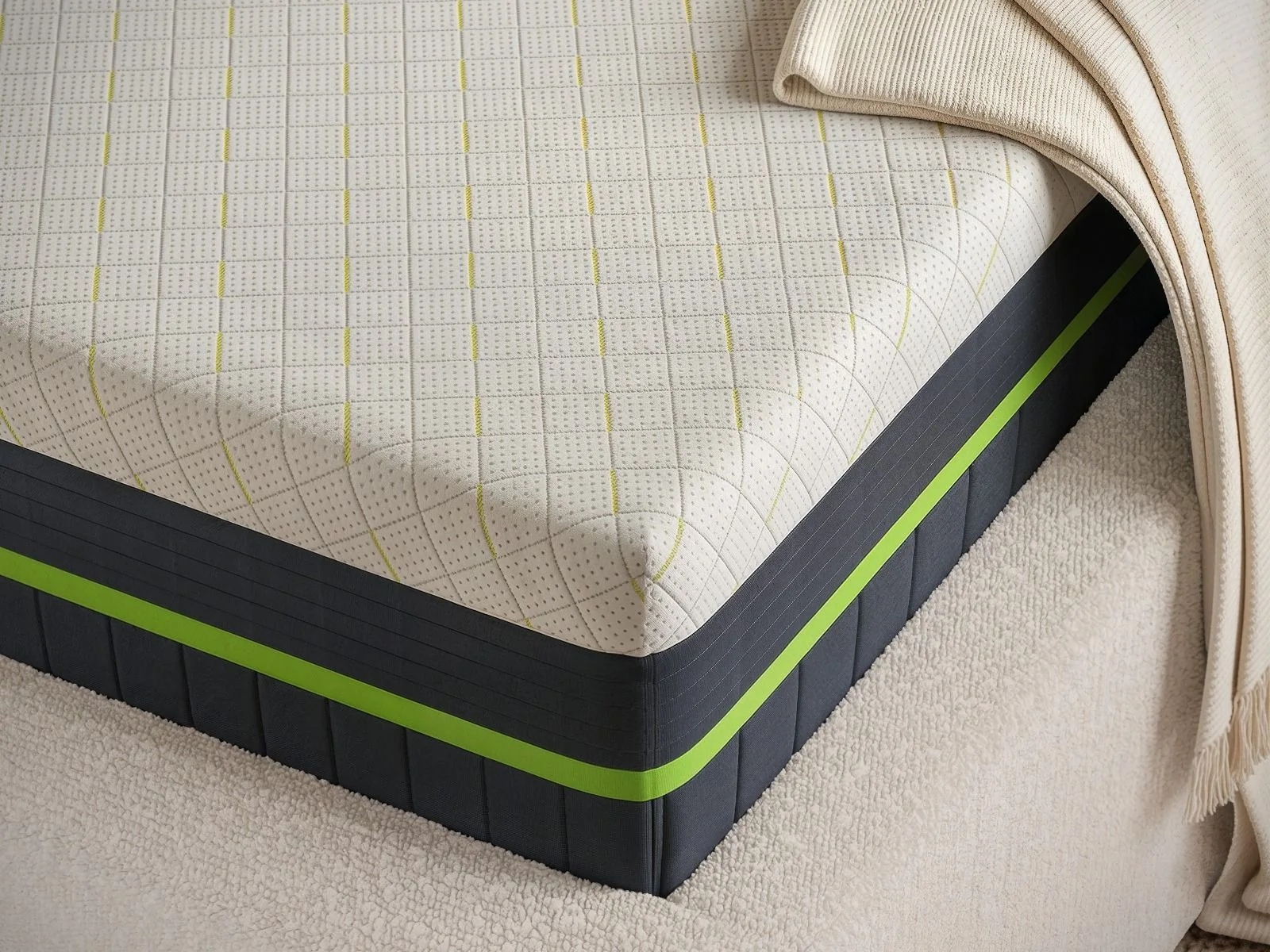
The SOLACE+CO Plant Based Eco Memory Foam Mattress offers responsive comfort that suits both quick rests and longer naps. Its breathable layers help regulate temperature so you stay comfortable without overheating.
For those who prefer a more traditional feel, sprung mattresses from trusted names can provide the right balance of support. Brands such as SOLACE+CO and Flair offer ranges that work for night-time sleep and occasional daytime use.
If your current bed feels too firm or too soft, a mattress topper can adjust the feel without replacing the whole mattress. Choose one that matches your preferred firmness for better nap results.
Napping for Different Age Groups
Children and teenagers need more daytime rest than adults. A regular nap routine supports growth, learning and mood regulation. For younger children, a quiet corner with a comfortable single bed can make naps easier.
Look at practical options such as kids' beds from Flair that fit smaller rooms and encourage good rest habits. A supportive surface helps them settle quickly.
Older adults often find short naps particularly helpful for maintaining energy. As long as night-time sleep remains the priority, a 20-minute nap can reduce fatigue without causing insomnia later.
Tips for Better Naps
- Create a dark, quiet environment – use an eye mask or earplugs if needed.
- Set an alarm to avoid oversleeping.
- Keep naps consistent to train your body clock.
- Avoid caffeine beforehand.
- Consider a light snack if you are prone to low blood sugar.
A comfortable bedroom encourages both good naps and restorative night sleep. Simple additions such as soft furnishings can make the space more inviting for rest at any time of day.
Pair your nap routine with a supportive mattress from quality brands. Jay-Be offers practical solutions including folding beds that work well in multi-purpose rooms where daytime napping might occur.
If you often wake with aches after resting, it may be worth exploring memory foam mattresses that adapt to your shape and ease pressure on joints.
Final Thoughts
The right nap length at the right time can improve how you feel and function. Most adults benefit from 10-20 minutes in the early afternoon. Longer naps suit days when extra recovery is needed, provided they fit your schedule.
Experiment to find what works for you. Combine smart napping with a comfortable bed at night and you will notice steadier energy and sharper focus. Browse our range of supportive mattresses from leading brands to create the ideal environment for both daytime rests and deep night sleep.