
Creating Quiet Study Corners in Busy Family Kids' Bedrooms
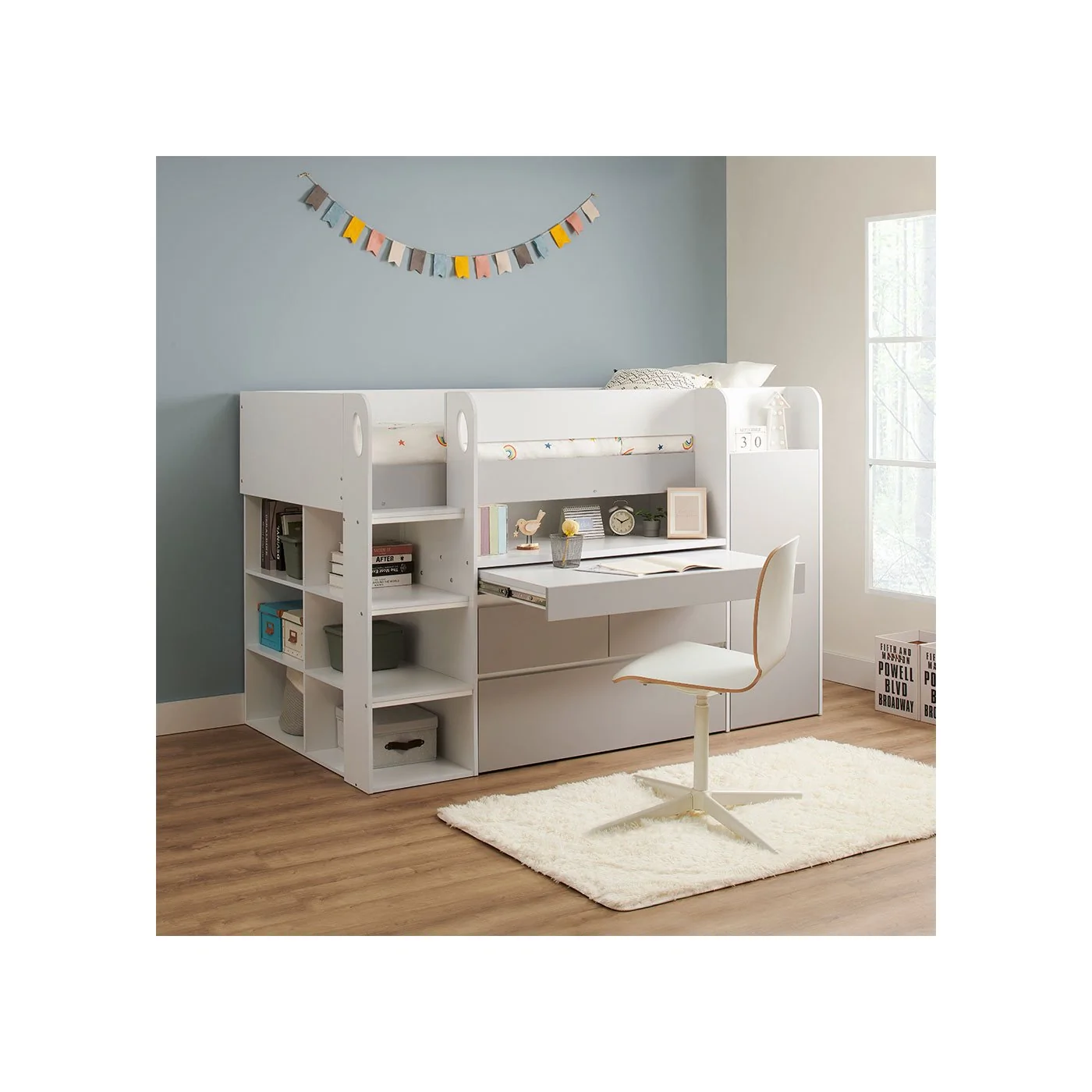
Many parents wonder how to carve out a quiet spot for homework in a shared or compact children's bedroom. The answer lies in choosing furniture that combines sleep, storage and study in one footprint, so the room stays calm and functional even when the rest of the house is lively.
Why a dedicated homework zone matters
A clear place to work helps children settle into tasks more quickly and reduces arguments about where to spread out books and devices. In busy households a bedroom study corner keeps mess contained and signals that this is a space for focus rather than play. Good lighting, a comfortable chair and an organised surface make the difference between reluctant homework and steady progress.
Choosing the right bed to free up floor space
When floor area is limited, the bed itself can work harder. Cabin beds and mid-sleepers raise the sleeping area and leave usable space underneath for a desk or shelving. Flair Bailey Kids Cabin Bed with Desk & Storage is designed exactly for this purpose, combining a raised bed with a built-in desk and plenty of storage to keep the floor clear.
For slightly older children who need a larger surface, Flair Aiden Kids Cabin Bed with Desk & Storage offers a generous workspace beneath the bed while still fitting neatly into smaller rooms. Both options keep the sleeping area separate from the study area, which helps children switch between rest and work more easily.
Storage solutions that reduce clutter
Cluttered floors and overflowing toy boxes make concentration difficult. Beds with integrated drawers or ottoman lifts keep clothes, books and seasonal items out of sight. Kids' Beds With Storage come in many styles and colours so you can match existing décor while gaining essential storage.
Adding a Kids Toy Storage solution near the study area encourages children to tidy as they finish each task, maintaining a calm environment ready for the next study session.
Selecting the best desk and chair combination
A sturdy desk at the correct height prevents back strain and keeps attention on the work rather than discomfort. Look for designs with shelves or drawers so pens, notebooks and chargers have permanent homes. Pair the desk with a supportive chair that encourages good posture during longer homework sessions.
Kids Chairs designed specifically for younger users often include adjustable heights and wipe-clean finishes that survive the inevitable spills of craft projects or drinks. Positioning the desk near a window brings in natural light, which is kinder on young eyes than constant artificial lighting.
Creating visual calm around the study area
Busy patterns and bright colours can distract. Soft grey, white or pale blue tones around the homework zone help the mind settle. Kids Grey Beds and White Kids' Beds provide a neutral backdrop that works with most colour schemes and grows with the child from primary years into secondary school.
For children who prefer a pop of personality without overwhelming the space, consider subtle accents rather than full themed rooms. A simple noticeboard above the desk allows them to pin reminders and achievements without covering every wall.
Supporting good sleep with the right mattress
A quiet study corner loses its value if the bed is uncomfortable and nights are restless. Children who sleep well concentrate better the following day. Supportive mattresses designed for growing bodies make a noticeable difference to both energy levels and mood.
Maxitex Kids Magic Memory Foam Mattress offers pressure relief that helps little spines rest comfortably. For those who prefer a more traditional feel, Maxitex Kids Premier Sprung Mattress provides reliable support with natural bounce. Both options are available in sizes suitable for children's rooms, from single through to small double as children grow.
Parents of younger children or those prone to accidents may prefer a waterproof version. Noomi Waterproof Eco Foam Mattress combines practicality with comfort and is easy to keep fresh.
Adding the finishing touches for focus
Once the furniture is in place, small details complete the homework zone. A good desk lamp with adjustable brightness prevents eye strain during darker evenings. Storage pots for stationery keep supplies within reach but off the main work surface. A simple timer or visual schedule can help children manage their time without constant reminders.
Consider the flow of the room. Place the study area away from the main bed if possible so that the brain associates the desk with work and the bed with rest. This separation is especially useful for teenagers who may use their room for both late-night revision and sleep.
Adapting the space as children grow
What works for a seven-year-old will need tweaking by the time they reach thirteen. Modular furniture that can be reconfigured saves money and reduces upheaval. A cabin bed with a desk underneath can later have the desk moved to the side if more floor space is needed for a larger chair or additional shelving.
Regular reviews of the room layout help. Ask your child what distracts them and what helps them settle. Their input often highlights simple changes, such as moving a shelf or swapping a chair, that make the homework zone far more effective.
With thoughtful planning, even the busiest family home can offer children a quiet corner to study, organise their thoughts and complete homework without distraction. The combination of clever storage beds, practical desks and supportive mattresses creates an environment that grows with them from early school years through to GCSE revision and beyond.