
Long-term room planning for growing from child to teenager
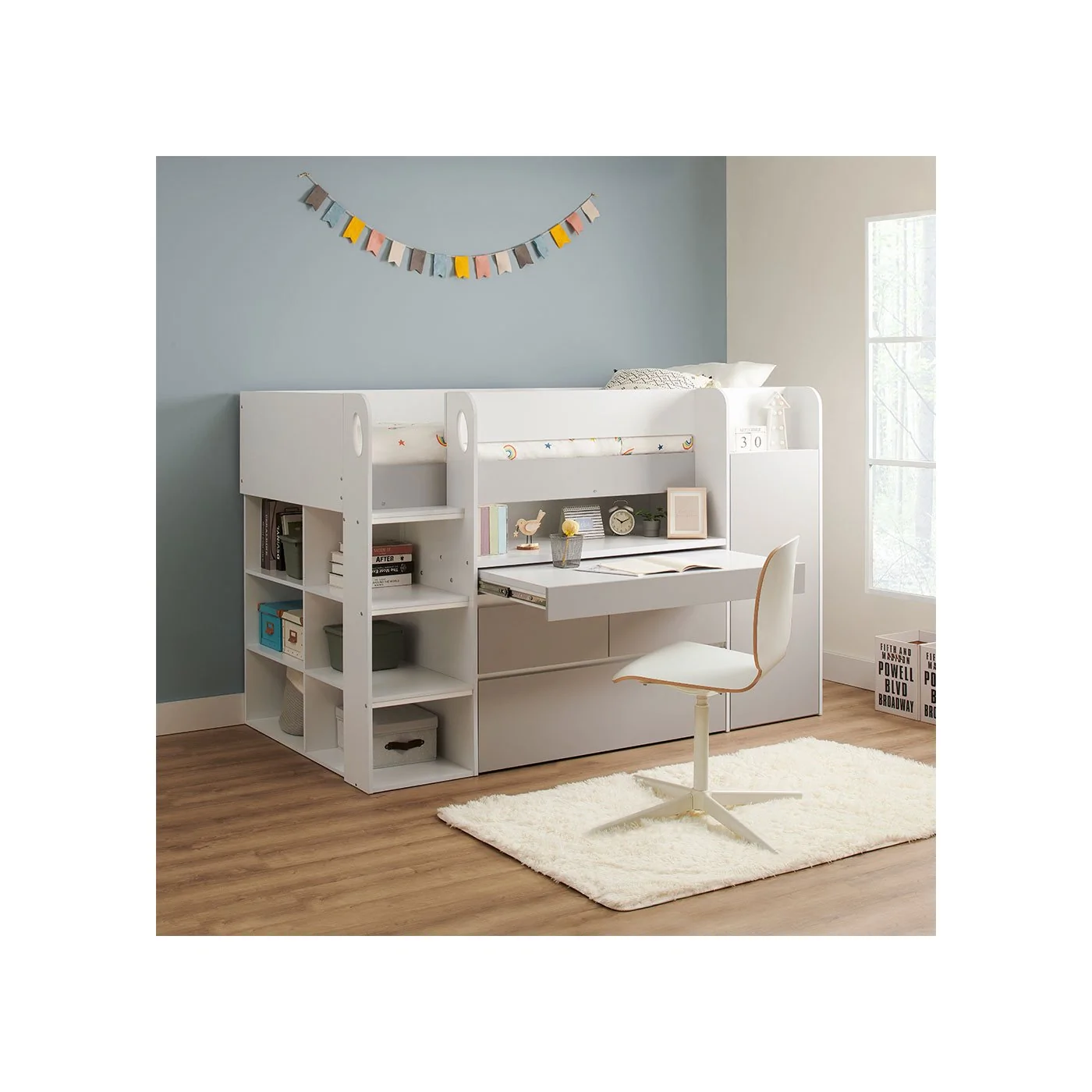
Planning a child’s bedroom with their future needs in mind makes the transition from primary school to secondary school and beyond far smoother. By choosing adaptable furniture and thinking about layout early, you can minimise disruption and avoid replacing items every couple of years.
Why long-term planning matters for kids’ rooms
Children’s needs change quickly. A room that works well for a seven-year-old may feel too young or cramped by the time they reach thirteen. Early decisions about storage, sleeping arrangements and study space help the room evolve naturally. This approach saves time and reduces stress during busy school years.
Phase one: Primary school years (ages 5-11)
During primary school, children need plenty of floor space for play alongside a comfortable bed and simple storage. A junior or small single bed often fits well, leaving room for toys and games. Focus on low-level storage so they can reach everything themselves.
At this stage, kids furniture should be sturdy yet easy to move. Opt for pieces with multiple uses, such as beds with built-in drawers or modular shelving. A Flair Bailey Kids Cabin Bed with Desk & Storage offers sleep, study and storage in one compact footprint, making it ideal for smaller rooms that need to work harder as children grow.
Storage and organisation
Use kids chest of drawers and kids wardrobes that can transition into teenage storage. Choose neutral colours or designs that will not look dated in a few years. Adding kids bedroom accessories such as wall hooks or under-bed baskets keeps the room tidy without permanent fixtures.
Choosing the right mattress for growing bodies
A good quality mattress supports sleep through every stage. Look for options designed for children that can be used on different bed frames as the room layout changes. The Maxitex Kids Premier Sprung Mattress provides reliable support, while the Noomi Waterproof Eco Foam Mattress Single adds practicality for younger children still prone to spills.
As they move towards secondary school, consider upgrading to a full single or small double. The Maxitex Kids Magic Memory Foam Mattress remains suitable into the teenage years. Always check the product page for exact specifications.
Phase two: Transition to secondary school (ages 11-14)
Secondary school brings more homework, bigger belongings and a desire for personal space. The layout should now prioritise a dedicated study area and larger storage for uniforms, books and sports kit.
Reposition the bed to free up wall space for a desk. Many cabin beds already include a desk, so the Flair Aiden Kids Cabin Bed with Desk & Storage can continue to serve well here. If you started with a simpler frame, now is the time to introduce a bedside table with drawers for charging cables and personal items.
Creating zones within one room
Divide the space into sleep, study and relaxation zones using rugs or strategic furniture placement. A tall wardrobe can act as a room divider while providing hanging space for growing wardrobes. Keep the colour scheme calm so it does not need repainting when tastes change.
Phase three: Teenage years and beyond
By the mid-teens the room often becomes a private retreat for study, socialising and rest. Storage needs shift towards clothes, electronics and hobbies. A larger bed, such as a double or king size, may be appropriate if space allows. The Maxitex Dream 1000 Pocket Memory Mattress offers the comfort many teenagers prefer after years on a smaller mattress.
Introduce adult-style pieces that will last into early adulthood. A chest of drawers from the bedroom furniture range can replace smaller kids versions. Add a comfortable chair or beanbag for reading and downtime. If the room needs to double as a guest space occasionally, consider a sofa bed or daybed solution from the sofas selection, although these work best in larger bedrooms.
Layout tips that reduce future disruption
- Position the bed against the longest wall to maximise floor space for future desk or seating areas.
- Choose modular or extendable furniture that can be reconfigured rather than replaced.
- Keep electrical sockets accessible but safe for younger children, then adapt for chargers and devices later.
- Use neutral wall colours and window treatments that suit all ages.
- Plan for good airflow and lighting that supports both play and focused study.
Regularly review the layout each summer. Small adjustments, such as swapping a dressing table for a larger desk, can refresh the room without a full refit.
Practical maintenance for long-lasting rooms
Protect mattresses and upholstery with proper care. The SOLACE+CO Fabric Upholstery Furniture Stain & Odour Care Kit helps keep fabrics fresh through messy childhood years and teenage spills alike. Rotate mattresses regularly and use waterproof protectors on beds for younger children.
Choose hard-wearing flooring and washable textiles. This attention to maintenance means the room stays functional and attractive for many years with minimal effort.
Thoughtful long-term planning turns a child’s bedroom into a space that genuinely grows with them. Starting with versatile pieces from kids furniture ranges and adapting the layout at key stages creates a practical, comfortable room that supports every stage from primary school projects to GCSE revision and beyond.