
Light at the Wrong Time: How It Shifts Your Body Clock
Light at the wrong time of day can push your internal clock out of sync, leaving you wide awake when you want to sleep or groggy when you need to be alert. Your circadian rhythm relies on consistent light cues to regulate sleep, hormones and energy levels. When those cues arrive at odd hours, such as bright screens after sunset or daylight at unusual times during travel, the effects show quickly in your sleep quality.
How Your Circadian Rhythm Works
Your body clock is a roughly 24-hour cycle controlled by the suprachiasmatic nucleus in the brain. It uses light hitting the eyes to set its timing. Morning light signals the start of the day, boosting alertness and suppressing melatonin. As daylight fades, melatonin production ramps up to prepare for rest. Any mismatch in this pattern can shift the entire system.
This internal timing influences more than just bedtime. It affects body temperature, digestion and mood. When light arrives at the wrong moment, these processes fall out of step, often resulting in poorer sleep and daytime fatigue.
Travel and Jet Lag: Light in the Wrong Time Zone
Crossing time zones is one of the clearest examples of mismatched light exposure. Your body still expects light according to your home schedule, but the new location delivers it hours earlier or later. A flight from the UK to New York, for instance, means morning light arrives several hours before your internal clock is ready.
The result is classic jet lag: difficulty falling asleep at local bedtime and struggling to stay awake during the day. Eastbound travel usually feels harder because it shortens the day, forcing your clock to advance. Westbound travel lengthens it, which the body finds slightly easier to adjust to.
Light is the most powerful tool for resetting after travel. Seeking bright outdoor light in the morning at your destination helps shift the clock forward. Avoiding bright light in the evening prevents further confusion. Many people find that a few days of careful light timing eases symptoms noticeably.
Practical steps after long-haul flights
- Get outside in bright daylight soon after arrival, especially in the morning.
- Keep curtains closed and lights low in the evening if your body still thinks it is daytime.
- Consider a short nap only if absolutely necessary, and keep it under 20 minutes.
Evening Screens and Artificial Light at Night
Modern life often means bright light long after the sun has set. Phones, tablets, laptops and televisions all emit blue light that mimics daylight. This tells the brain it is still daytime, delaying melatonin release and making it harder to feel sleepy at a reasonable hour.
Using screens in the two to three hours before bed can push the circadian rhythm later. The effect is stronger in children and teenagers, whose body clocks already run slightly later than adults. Evening screen use can therefore contribute to the familiar pattern of late nights and difficult mornings.
Many households now notice that bedtime routines have become longer and more fractious. Children who use devices in their rooms often take longer to settle, and parents report feeling less rested themselves.
How Mismatched Light Affects Sleep Quality
When light arrives at the wrong time, sleep becomes fragmented. You may fall asleep later, wake more often during the night, or find yourself awake too early. Over time this can reduce the amount of deep, restorative sleep you get.
The knock-on effects appear in daily life. Concentration dips, mood can become irritable, and simple tasks feel harder. For families this can mean more bedtime battles and tired mornings. Creating a bedroom that supports natural wind-down becomes especially important.
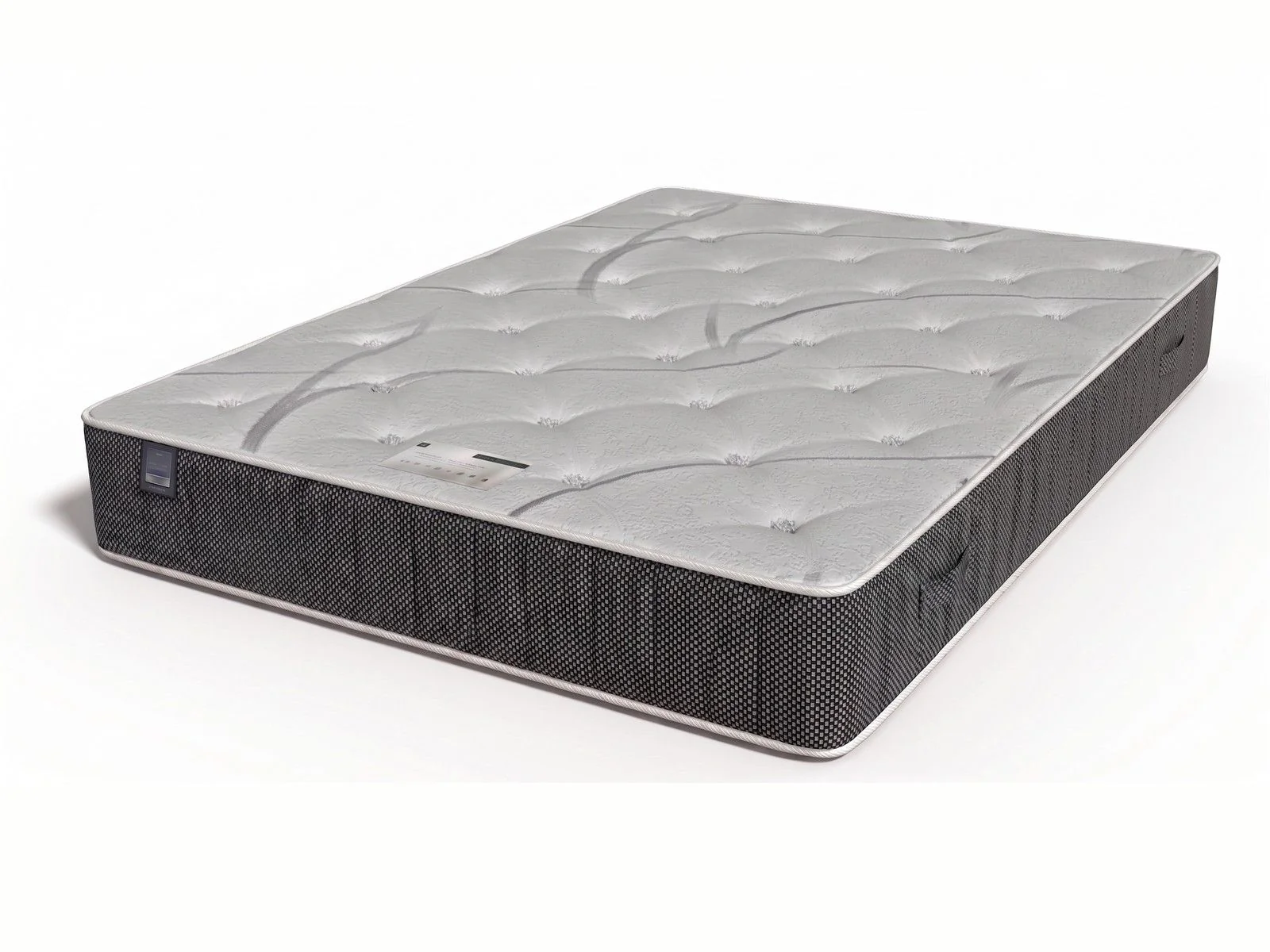
A comfortable bed makes it easier to fall asleep once your body is ready. Choosing the right mattress can help you make the most of the sleep you do get. Maxitex Diamond Dual Season 1000 Pocket Memory Mattress offers support that suits different seasons, helping you stay comfortable as your body adjusts.
Resetting Your Internal Clock at Home
Fortunately you can take practical steps to realign your circadian rhythm without leaving the house. The key is consistency in both light and darkness.
- Expose yourself to bright light within an hour of waking, ideally natural daylight.
- Dim lights and avoid screens at least an hour before your target bedtime.
- Use warmer, lower-intensity bulbs in the evening rather than cool white light.
- Keep the bedroom dark at night with blackout curtains or blinds.
For children, a calm and consistent bedtime environment helps reinforce these cues. A well-designed bed that feels inviting can make the transition to sleep smoother. Flair Leni Day Bed with Shelves and Drawers provides both a cosy sleeping space and practical storage, ideal for keeping bedrooms tidy and restful.
Younger children often benefit from a dedicated sleep surface that supports growing bodies. Maxitex Kids Premier Sprung Mattress is designed to offer the right support for little ones whose routines are still settling.
Creating a Supportive Bedroom Environment
Your bedroom should work with your body clock, not against it. Reducing light pollution at night is one of the simplest changes you can make. Soft furnishings in calming tones can also make the space feel more peaceful.
Rugs add warmth underfoot, encouraging you to slow down as you prepare for bed. A comfortable reading chair or day bed in the corner can become part of a wind-down routine that avoids bright overhead lights.
Flair Max Day Bed with Trundle Cream Chenille offers flexible seating and an extra sleep space when needed, all while keeping the room looking tidy and inviting.
For those who like a layered sleeping surface, a quality topper can improve comfort without changing the entire mattress. Mattress Toppers allow you to adjust feel and temperature, supporting better rest as your rhythm stabilises.
When to Seek Further Help
If you have adjusted your light exposure and bedtime habits but still struggle with sleep, it may be worth speaking to a GP. Persistent disruption can sometimes point to other factors that need professional attention.
In the meantime, small consistent changes to when and how you receive light can produce meaningful improvements. Pairing those changes with a supportive bed and mattress helps you get the best possible rest once your body is ready to sleep.
Whether you are recovering from travel, reducing evening screen time, or simply aiming for more consistent energy levels, paying attention to light timing gives you a powerful lever over your circadian rhythm. Start with morning light and evening dimming, and build your bedroom around rest rather than stimulation. Your body clock will thank you.