
How to Transition Your Toddler to a Big Bed
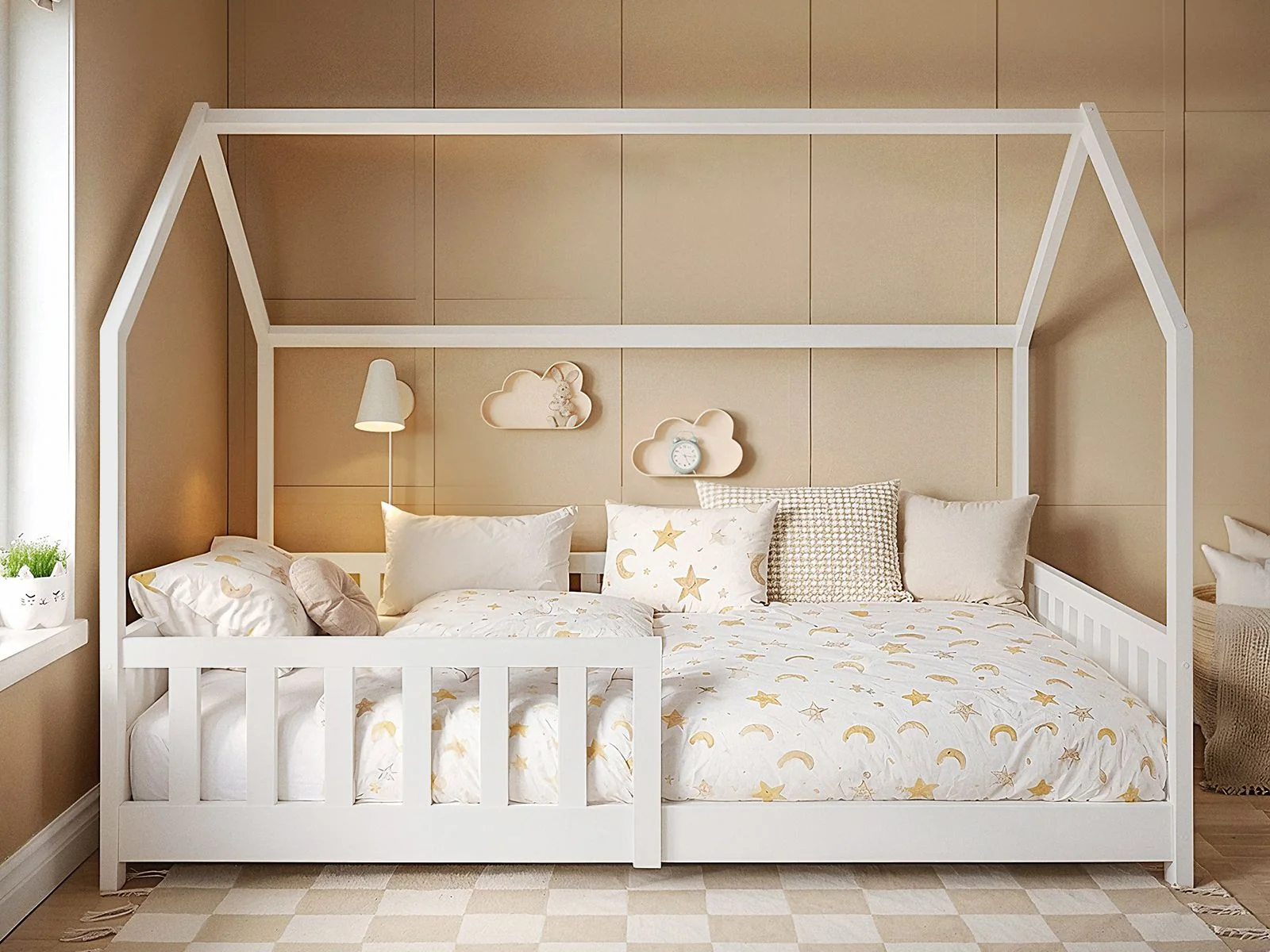
Moving your child from a cot to a big bed is a significant milestone, but knowing when and how to make the change can feel overwhelming. In this guide, we walk you through the timing, practical steps, and safety considerations to help you make the transition to a toddler bed as smooth as possible for your family.
When to transition to a toddler bed
Most children are ready to move from a cot to a bed between 18 months and 3 years old, though there's no single "right" age. The ideal timing depends on your child's development, behaviour, and your family circumstances rather than a specific age. The average timing is when they’re around 2 to 2.5 years, but some children might be ready earlier, while others benefit from staying in their cot until closer to 3. What matters most is watching for the signs that your child is physically and emotionally prepared for this change.
Signs your toddler is ready for a big bed
Here are some indicators that suggest that your toddler is ready to make the move from cot to bed:
- They climb out of their cot (or attempt to). This means they’ve outgrown the safety it provides. A child who can climb out risks a serious fall, making this the strongest signal that it's time to change.
- They've reached the height or weight limit for their cot.
- They can follow simple instructions and understand boundaries. If your toddler can stay in one place when asked or understands "stay in your bed," they're showing signs of readiness.
- They have started potty training. Once your child has started using the potty or toilet, they need the freedom to get up during the night. A toddler bed or single bed with easy access supports this independence.
- Your child can tell you they need something or express discomfort. This signals that they're better equipped to handle the freedom a bed provides.
Signs your toddler is not ready for a bed
Sometimes waiting a bit longer is the better choice. Look out for these signs:
- If your child still settles easily in their cot without attempting to climb out, there's no rush to change. A cot provides security and clear boundaries that many young children still need.
- Children going through separation anxiety, major changes (like starting nursery), or sleep regressions often struggle more with transitions. Wait until they're in a more settled phase.
- Very active sleepers who roll around constantly might not stay safely in a bed yet. If your child frequently wakes disoriented or has trouble understanding instructions, give them more time to mature.
Considerations that can affect the timing
Life circumstances often influence the timing of the switch. Even if your child seems ready to move from a cot to a bed, a few practical factors might mean it’s worth waiting a little longer, such as:
- A new baby on the way: If you're expecting another child and need the cot, start the transition at least six to eight weeks before the baby arrives. This gives your toddler time to settle without feeling displaced by the new arrival. Similarly, if you’ve not started the transition before your new arrival, it might make more sense to wait until things are more settled to introduce this additional change.
- Potty training: Some parents prefer to tackle one milestone at a time, whilst others find combining potty training with the bed transition works well since both involve new independence. Consider your child's temperament when deciding.
- Holidays and house moves: Avoid making the change from cot to bed just before or during major disruptions. If you're moving house or going on holiday, wait until you're settled back into your routine. Familiar surroundings help children adjust to the new sleeping arrangement.
- Starting nursery or preschool: Multiple big changes at once can overwhelm young children. Space out major transitions by at least a few weeks when possible.
How to transition from cot to bed
A gradual, thoughtful approach helps most children adjust more easily. Here are some of the best techniques to make the process as seamless as possible:
- 1. Involve your child in the process: Take them shopping to choose their new bed or let them pick new bedding in their favourite colours or characters. Ownership of the decision helps them feel more in control and excited rather than anxious.
- 2. Set up the bed in advance: Place the new bed in their room while keeping the cot for a week or two. Let them play on it during the day, read stories there, or even have daytime naps. This familiarity removes the fear of the unknown.
- 3. Maintain your bedtime routine: Keep everything else exactly the same. The same bath time, the same stories, the same songs. Consistency in routine provides comfort when their sleeping arrangement changes.
- 4. Start with nap time: If your child still naps, try the first few sleeps in the new bed during the day when they're less likely to resist. Daytime sleep often feels less scary than nighttime.
- 5. Stay calm and patient: The first few nights might involve multiple wakeups or requests for your presence. Expect this and plan for it rather than hoping for perfection immediately.
- 6. Make it special but not overwhelming: You might want to have a small celebration of this milestone, but avoid building it up so much that it creates pressure.
What to do if your child keeps getting out of their bed
Almost every parent faces this challenge. Your response shapes how quickly your child learns the new boundaries. These are some of the tried and tested methods to get your child to sleep in their own bed:
The silent return method: When your child gets out of bed, calmly and quietly walk them back without engaging in conversation, eye contact, or explanation. Make it as boring as possible. Repeat this as many times as needed (some parents report doing it 20-30 times the first night). Consistency is key.
Gate the door rather than closing it: A baby gate across the doorway lets your child see out without feeling trapped, while keeping them contained. This often feels less frightening than a closed door.
Reward staying in bed: A sticker chart for successful nights can motivate some children. Just make sure to keep the rewards simple.
Check the timing: If your child repeatedly gets up because they're not tired, bedtime might be too early. Gradually push it back by 15-minute increments if needed.
Rule out genuine needs: Some children get up repeatedly because they're thirsty, need the toilet, or are too hot. Address these needs before bedtime to remove any excuses. Stay firm on boundaries: If you give in and let them sleep in your bed or on the sofa, you're teaching them that persistence works. Be prepared for a few tough nights to establish the pattern.
Tips for making the transition from cot to bed easier
Small adjustments can make a significant difference. If you’re struggling with moving your baby from a cot to a bed, here are some tips to try:
How to safety-proof your home when transitioning your child to a big bed
Once your child can roam freely at night, you need to think about safety. Some of the main additions to consider are:
Choosing the right first bed for your child
Choosing the right bed can make this big milestone feel exciting rather than daunting. With the right design, the move from cot to bed can be safer, smoother and far more comfortable for your little one. That’s why we offer a wide range of kids’ beds in different sizes and styles, designed to support them at every age and stage.
For most families, a toddler bed is the most popular first step after a cot. These beds sit low to the ground, use a standard cot mattress and often include built-in safety rails for extra peace of mind. They’re ideal for younger toddlers aged around 18 months to 3 years, especially those who may find the height of a standard bed a little intimidating. Many toddler beds also feature playful designs that help children feel excited about their new ‘big’ bed.
If your child is slightly older, taller, or already outgrowing their toddler bed, a single kids’ bed with guards is a great next option. These beds are designed to last for years, making them a practical long-term investment. While toddler beds often have a lower upfront cost, it’s worth weighing this against the need to purchase a single bed a year or two later.
For older toddlers, typically closer to 3–4 years old, a low cabin bed can be an exciting choice. With storage space underneath, these beds grow with your child and help maximise bedroom space. However, due to their raised design, they’re best suited to confident sleepers rather than very young toddlers.
For more in-depth advice on choosing the perfect first bed, including sizing, safety features and age-appropriate options, take a look at our comprehensive guide to choosing a bed for your child.
The transition to a big bed rarely goes perfectly, but with patience and the right approach, most children settle within a week or two. Trust your instincts about timing, stay consistent with boundaries, and remember that this is just one of many milestones you'll guide your child through.