
Designing Distraction-Free Homework Zones for 8-12 Year Olds
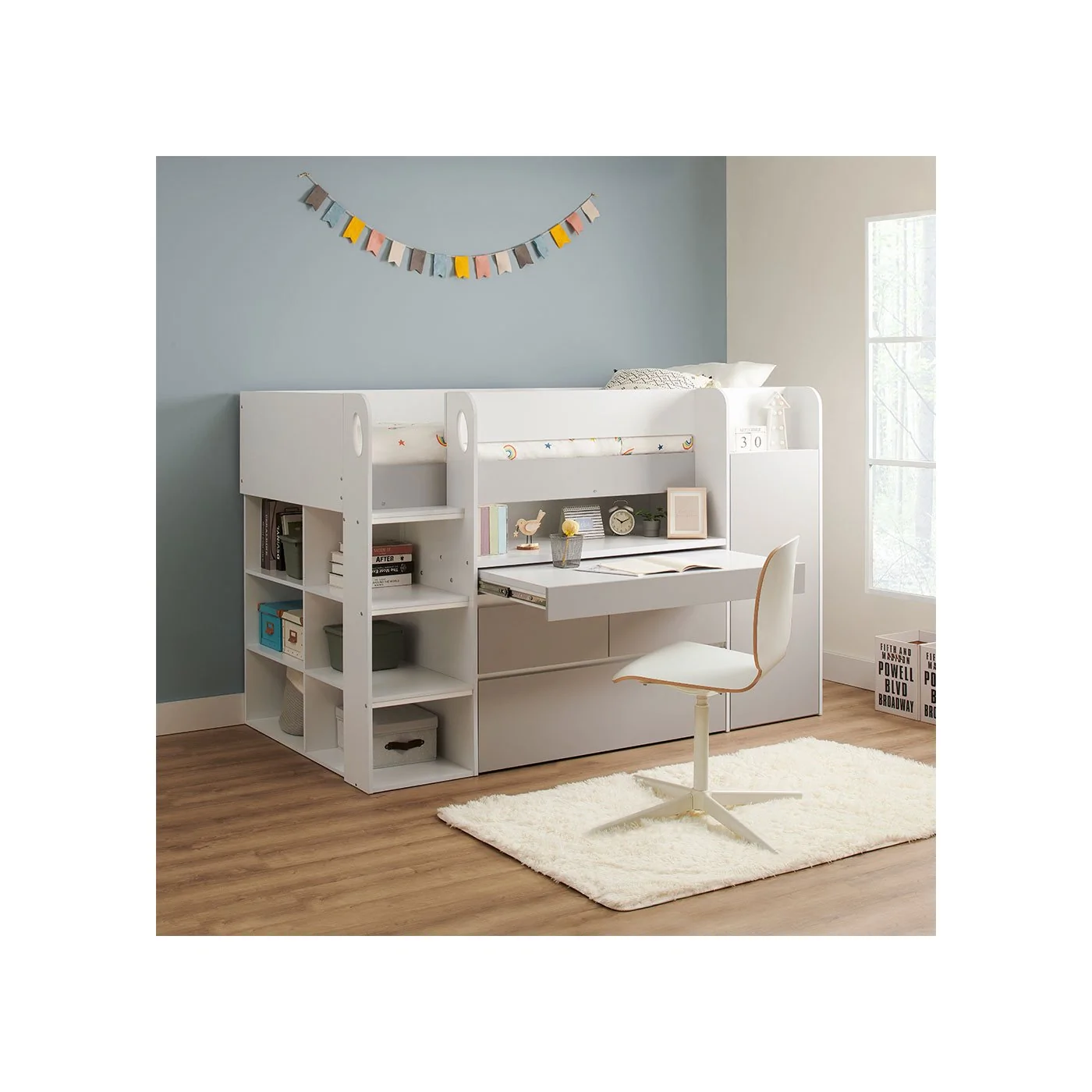
Creating a distraction-free homework zone in a child’s bedroom gives 8-12 year olds a clear place to focus on schoolwork. The right layout, furniture and storage help them concentrate, keep supplies organised and separate study time from play or sleep.
Why a dedicated homework zone matters for this age group
Between the ages of 8 and 12 children develop stronger independent study habits. A consistent workspace signals that it is time to settle down. Removing clutter and digital distractions from the immediate area supports better attention and helps them finish tasks more efficiently. The bedroom often serves as both sleep and study space, so careful zoning prevents one activity from interfering with the other.
Choosing the best location in the bedroom
Place the homework area away from the bed if possible. A corner opposite the sleeping zone works well for most rooms. Good natural light is important, so position the desk near a window but avoid glare on screens or paper. If the room layout forces the desk near the bed, use a room divider or tall storage unit to create a visual break between the two areas.
Keep the zone tidy. Open shelves above the desk can hold books and folders, but limit what is on display so the surface does not feel overwhelming. A simple noticeboard for reminders keeps important information visible without covering every wall.
Furniture that supports focus and organisation
A sturdy desk and comfortable chair form the heart of any homework zone. Look for designs with built-in storage so pens, notebooks and calculators have their own homes. Many children in this age group benefit from a desk that also offers shelving or drawers directly above or beside it.
Flair Bailey Kids Cabin Bed with Desk & Storage combines sleeping, study and storage in one compact footprint. The integrated desk keeps everything within easy reach while freeing floor space for movement. Alternatively, Flair Aiden Kids Cabin Bed with Desk & Storage offers a similar mid-sleeper solution that works well in smaller bedrooms.
For children who prefer a separate desk, kids desks come in many styles. Pair one with a supportive chair that encourages good posture during longer study sessions. Storage is equally important. A nearby chest of drawers or toy storage unit can hold items not needed every day, keeping the homework surface clear.
Storage solutions that reduce visual clutter
Use drawer organisers inside the desk to separate stationery. Wall-mounted shelves above the workspace keep books off the desk but still accessible. For children who like to spread out, consider a cabin bed with integrated storage so the floor stays clear. Kids' beds with storage make it easy to put away toys and clothes at the end of the day, leaving the room calmer for the next study session.
Lighting and colour choices that aid concentration
Layered lighting prevents eye strain. A good desk lamp with adjustable brightness works alongside ceiling lights. Warm white bulbs are easier on young eyes than harsh cool tones. If the room feels busy, soft neutral wall colours or pale grey can create a quieter backdrop. Many families choose grey kids beds or white kids beds because they sit comfortably in both calm study areas and brighter play spaces.
Selecting the right bed for a dual-purpose room
When the bedroom doubles as a homework zone, the bed itself should support restful sleep without inviting distraction during study time. A well-designed bed keeps bedding tidy and provides storage underneath or inside. Flair cabin beds are particularly practical because the raised sleeping platform leaves room below for the desk and storage units.
For younger children in the 8-10 range, Flair kids beds offer durable construction and clever space-saving features. Older children approaching 12 may prefer a simple single bed that leaves more wall space for shelving. Whatever style you choose, pair it with a supportive mattress designed for growing bodies. Maxitex Kids Premier Sprung Mattress and Maxitex Kids Magic Memory Foam Mattress are both popular choices that provide the right balance of comfort and support.
Kids Avenue Sleeptight Shorty Junior Mattress is another reliable option sized specifically for younger sleepers. Good sleep supports daytime focus, so the bed and mattress combination matters just as much as the desk setup.
Keeping screens and distractions under control
Many 8-12 year olds use tablets or laptops for homework. Position the screen so it cannot be seen from the bed. A simple rule of no devices on the bed itself helps separate relaxation from work. Cable tidies and wall-mounted holders keep cords neat and reduce temptation to play games instead of studying.
Storage for devices when they are not in use is useful. A drawer in the desk or a nearby cabinet lets children put tablets away at the end of a session. This small habit reinforces the idea that the homework zone is for focused work rather than entertainment.
Adding personal touches without losing focus
A distraction-free zone does not have to feel cold. Let children choose one or two favourite items to display on a shelf. A small plant, a favourite book or a motivational postcard can make the space feel theirs. Avoid covering the entire desk with ornaments or toys. The goal is a calm environment that still reflects the child’s personality.
Regular tidying routines help. Spending five minutes at the end of each homework session putting things back in their places prevents clutter from building up. Over time this teaches organisation skills that transfer to other areas of life.
Maintaining the homework zone as children grow
Children’s needs change between 8 and 12. What works at age eight may feel too small by age 11. Choose furniture that can adapt. A desk with height-adjustable legs or a cabin bed that can be reconfigured gives longer use. Reassess the layout each school year. Move the desk closer to the window as daylight hours change or swap storage boxes as the volume of school books increases.
For families with more than one child, consider how shared bedrooms can accommodate two homework areas. Bunk beds or cabin beds with separate desks can work well. White bunk beds or grey bunk beds keep the floor clear while giving each child their own defined space.
With thoughtful planning, a bedroom can comfortably support both rest and study. The combination of practical furniture from brands such as Flair, Maxitex and Noomi alongside simple organisation habits creates an environment where children can concentrate, complete their work and still enjoy their personal space.
Start small. Clear one corner, add a desk and comfortable chair, then build storage and lighting around it. The improvement in focus and independence is often noticeable within a few weeks.